Light pollution, measured from the back step
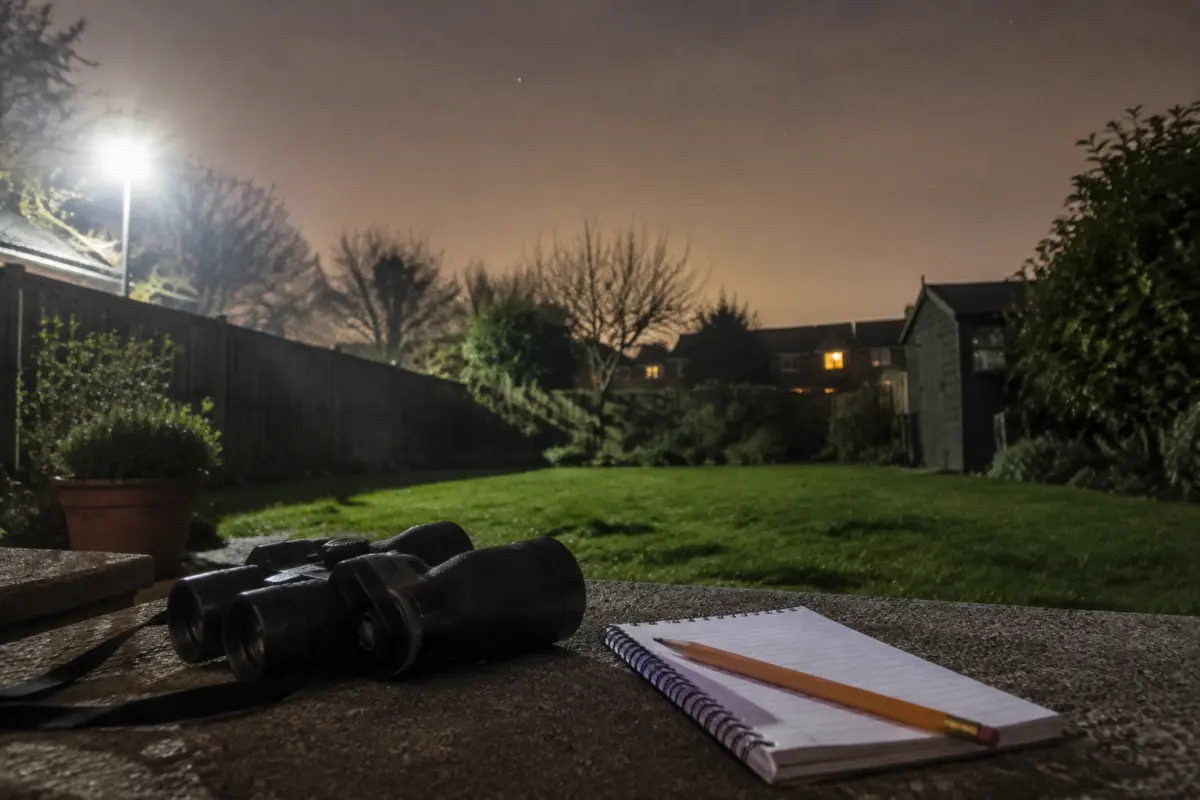
A year ago I started a very small project: once a week, on any clear night, count the stars I can see inside the square of Ursa Minor from my back step. Same spot, same twenty minutes of dark adaptation, no telescope, no binoculars. It takes four minutes and it is the only astronomy I do that requires no planning at all.
I expected the number to get worse. The town has been replacing its sodium lamps with white LEDs, which are brighter and scatter more blue light, and everything I had read suggested I would watch my sky degrade in real time.
| Season | Nights counted | Median stars |
|---|---|---|
| Winter | 11 | 7 |
| Spring | 14 | 6 |
| Summer | 9 | 4 |
| Autumn | 13 | 6 |
Forty-seven usable nights, which is itself a depressing number for a full year. The seasonal pattern is mostly about how dark it actually gets: in June the sky never reaches proper darkness here at all, hence the summer figure.
What I did not find was a trend. The winter counts at the start of the year and the autumn counts at the end are the same within the noise, and the noise is large: two nights a week apart, both clear, can differ by three stars depending on haze. One observer, one patch of sky and four minutes a week is simply not a sensitive instrument.
Which is a useful thing to learn. If I want to detect a real change I need either a light meter or a lot more years, and I am more likely to manage the years than to buy the meter.