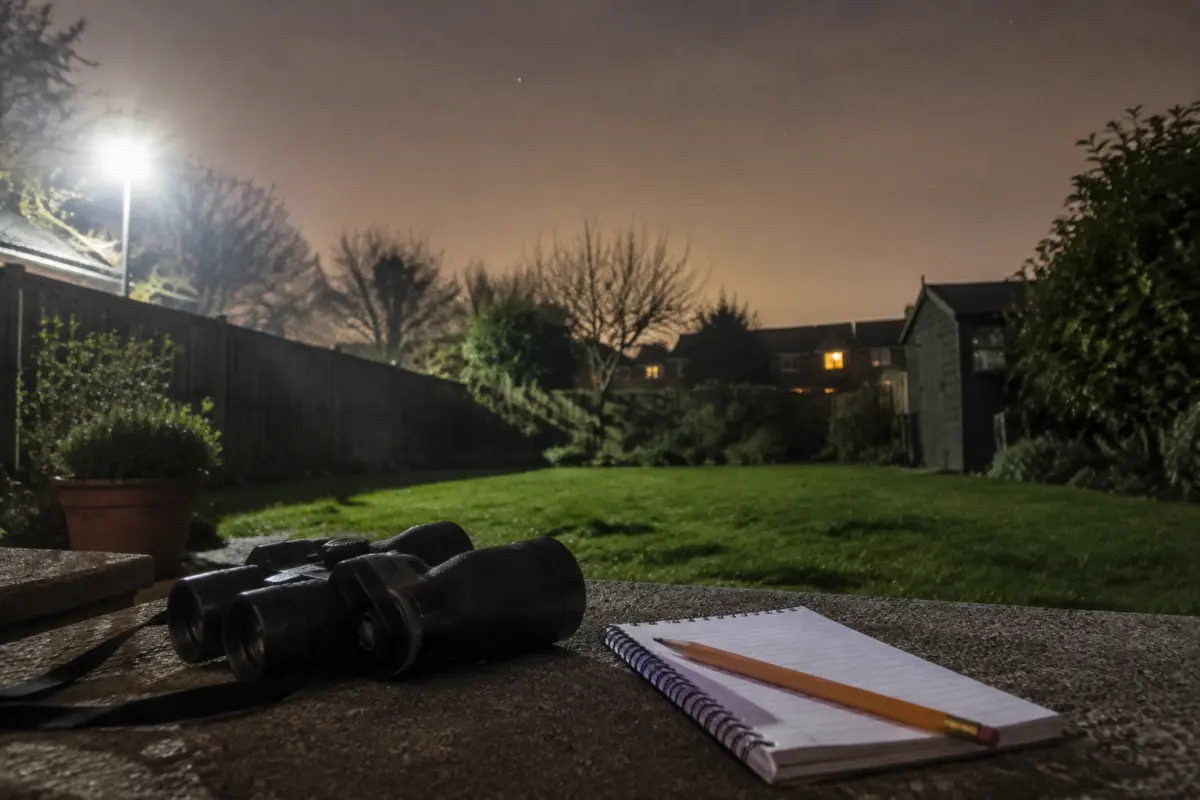
Light pollution, measured from the back step
Counting the stars I can see in one small patch of sky, once a week, for a year. The result was not what I expected.
Bread at night, stars after
26 posts. All tags
Counting the stars I can see in one small patch of sky, once a week, for a year. The result was not what I expected.
Two nights after a thin crescent Moon set early, 10x50 binoculars, a deckchair and the two autumn objects that look better in a wide field than in my telescope.
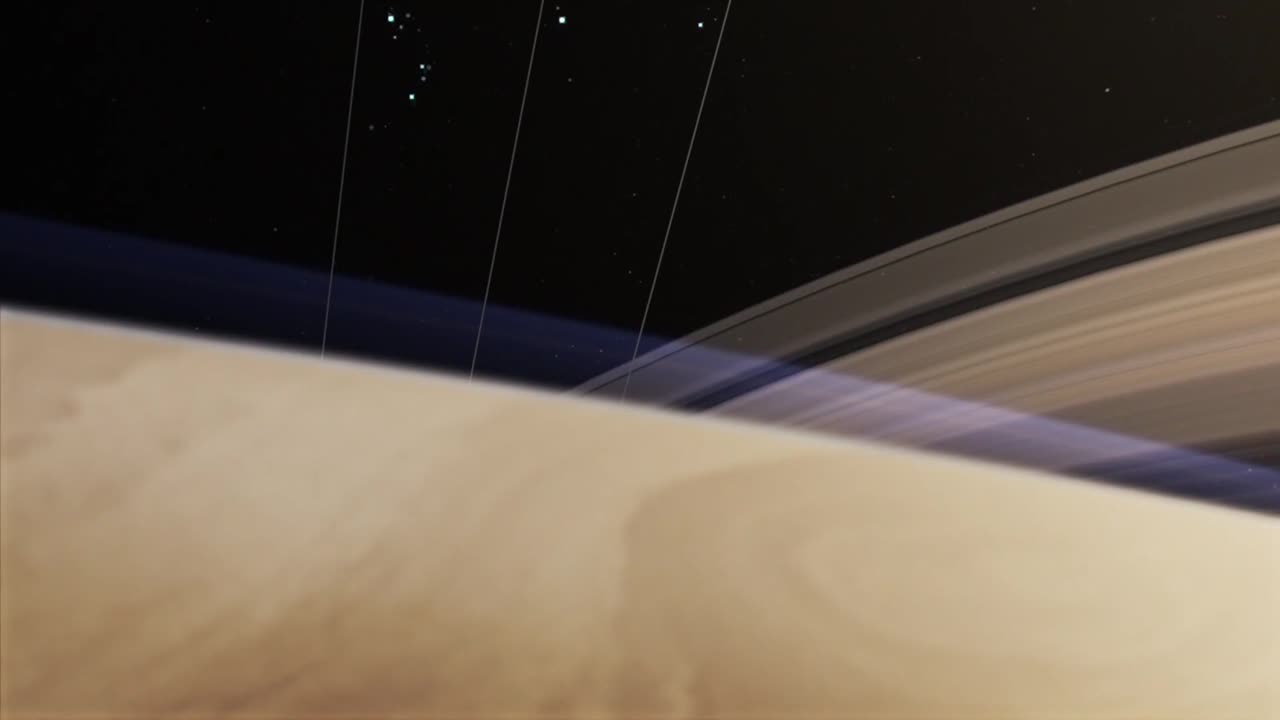
A short NASA Goddard video about ring material falling into the planet, which changed how I think about the thin grey line I have been sketching all month.
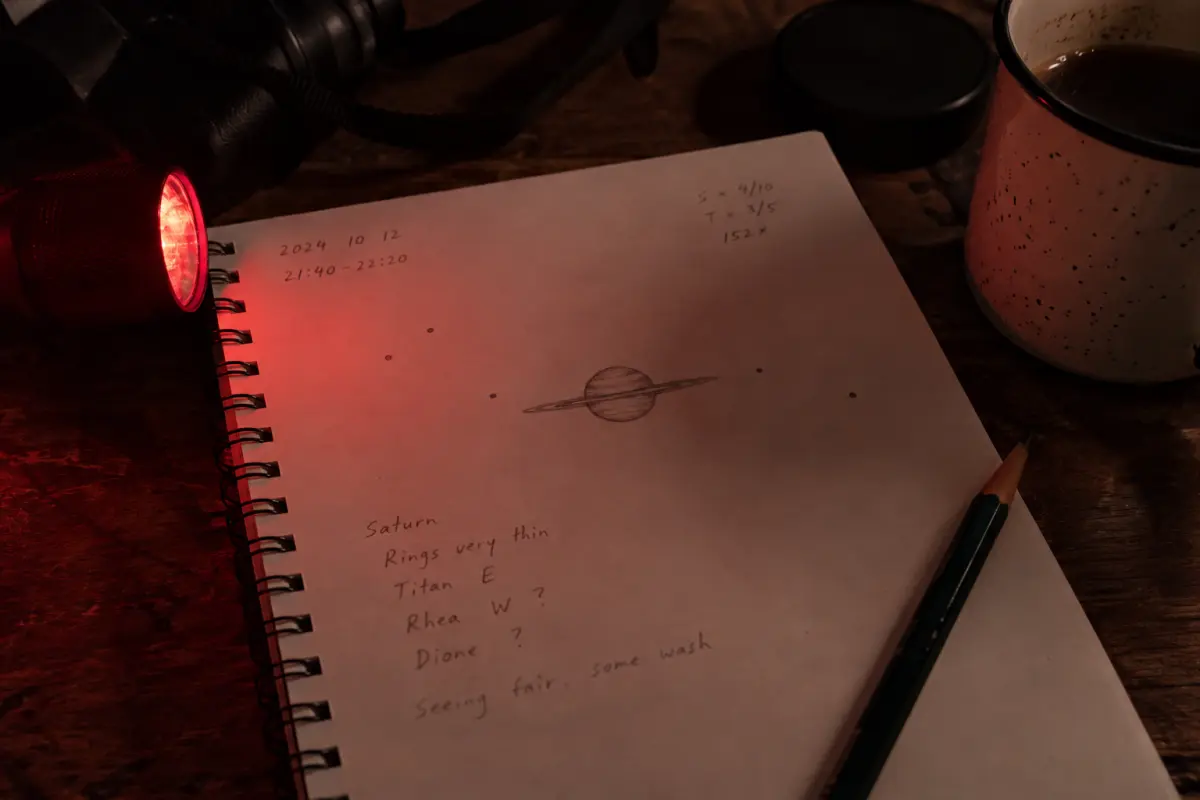
Drawing what you see instead of photographing it, and discovering you were seeing more than you thought.
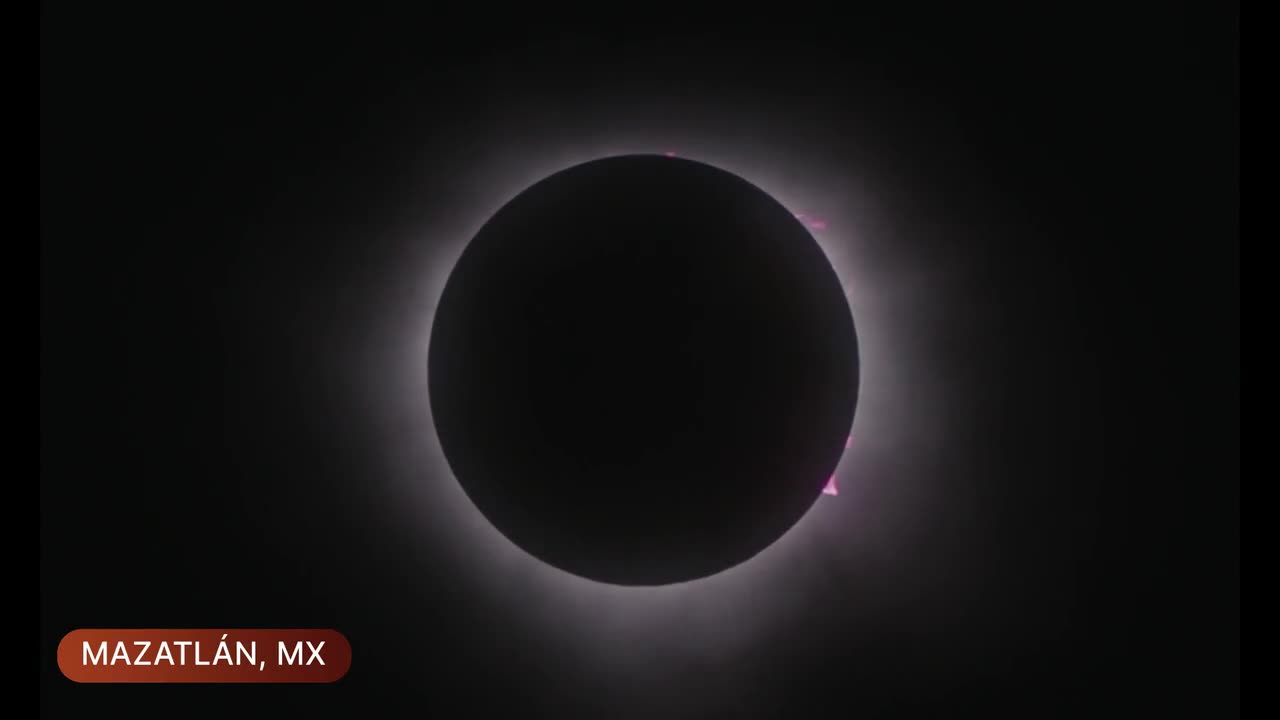
Three weeks after watching a 93% eclipse from outside the path of totality, I finally watched NASA's 2024 totality feed and understood what everyone had been telling me.
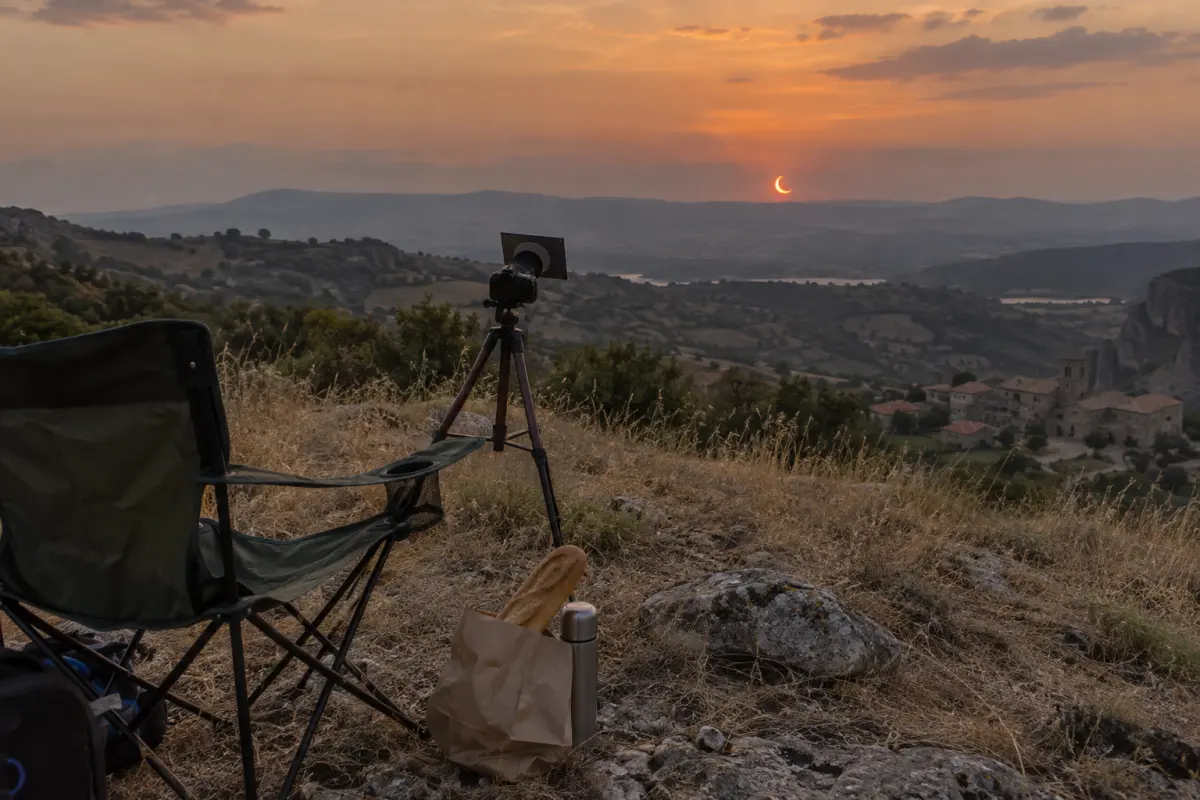
A hillside in northern Spain, 93% of the Sun covered, and a baguette bought that morning from a bakery that opened at six.
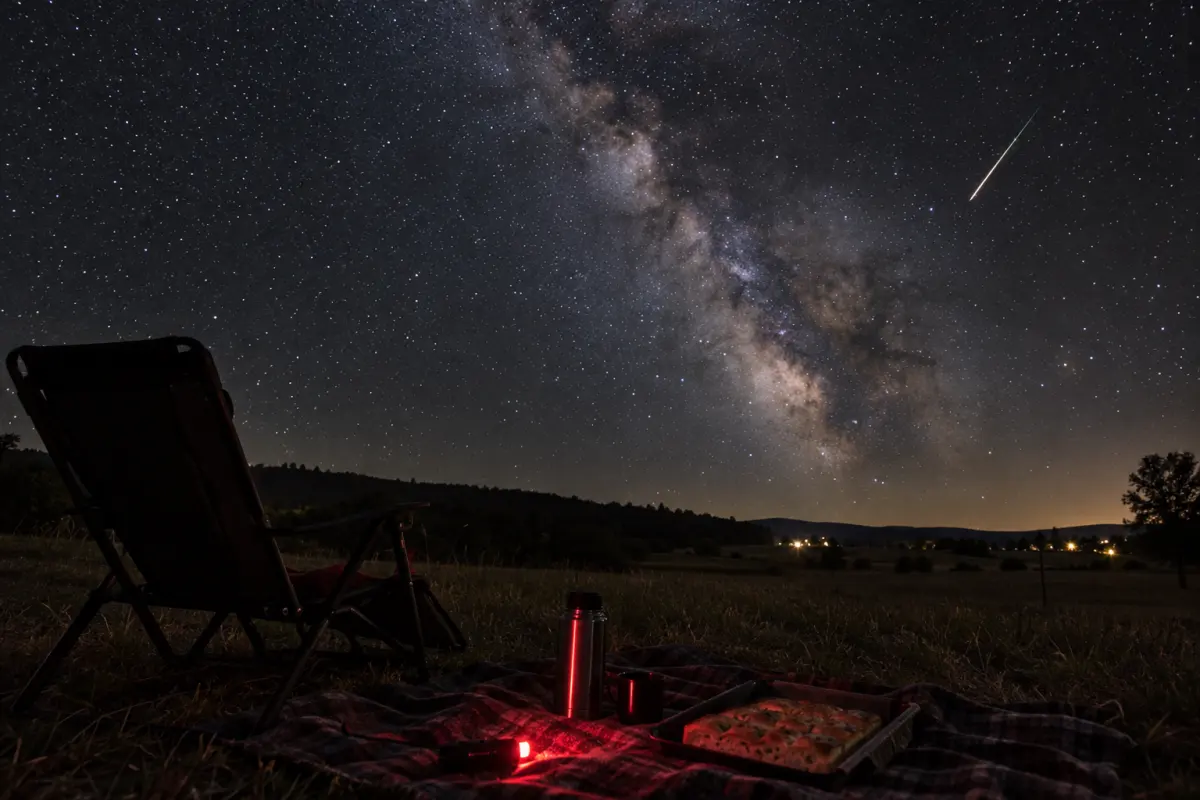
Forty minutes of driving to get two magnitudes of darkness, a thermos, a tray of focaccia and 61 meteors.
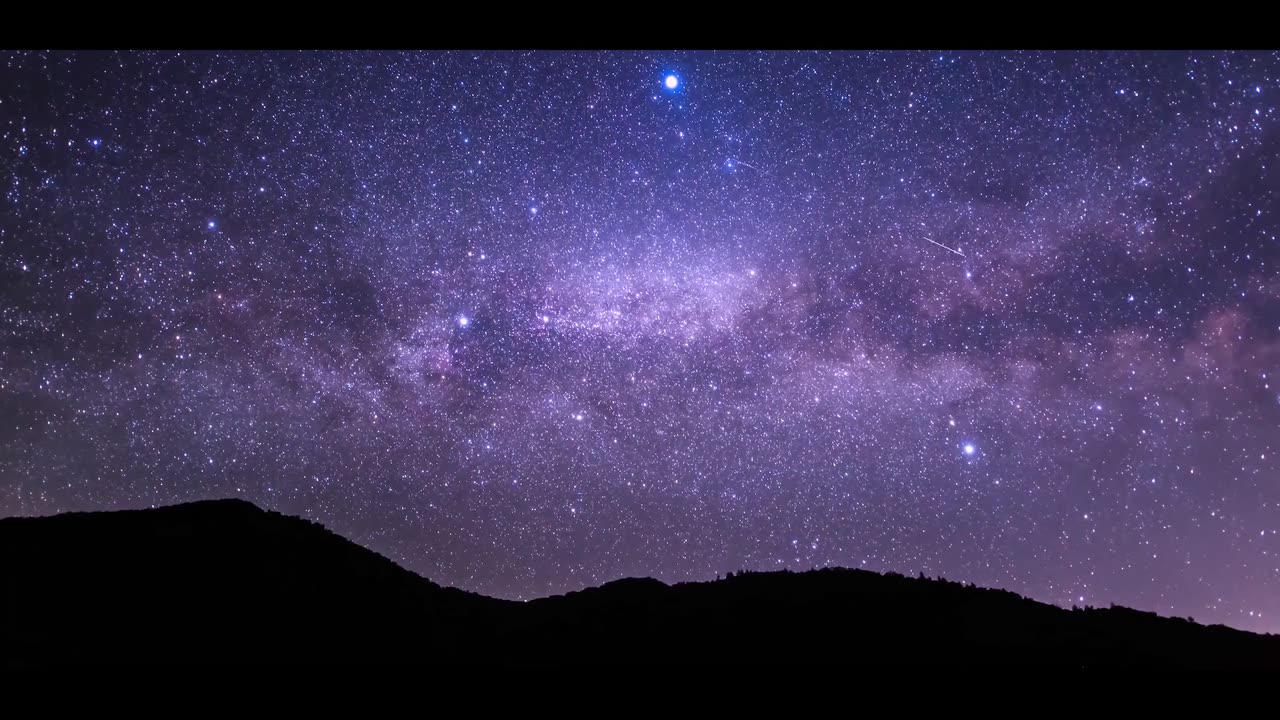
Full Moon, street lamp and a thin haze have cancelled the week, so here is a four-and-a-half-minute Milky Way time-lapse from Japan that I did not film.
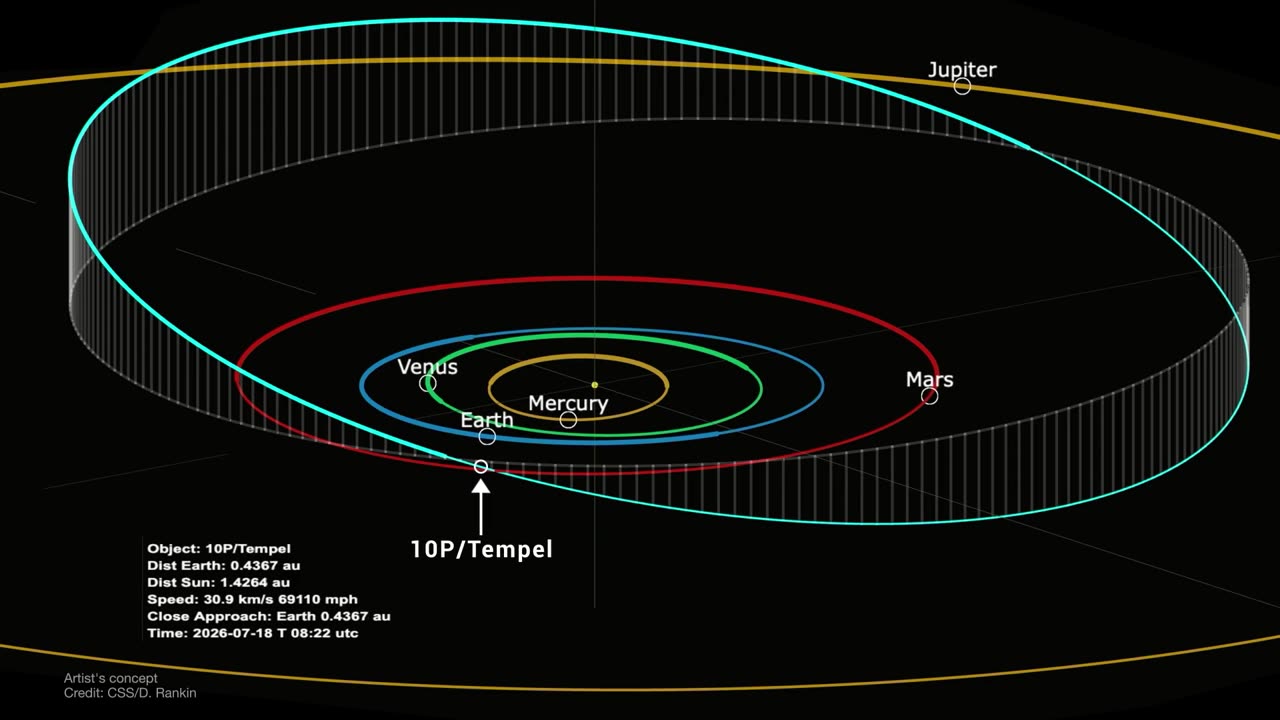
NASA's three-minute July sky guide, with my notes on which parts work from a European back garden with a street lamp and which ones need a car.
Mid-June, the sky never gets properly dark, the telescope stays in the cupboard, and two bright planets make the best of the twilight anyway.
Ninety minutes in a deckchair on the Lyrid peak night, a crescent Moon that set politely, and a total of seven meteors I am prepared to defend.
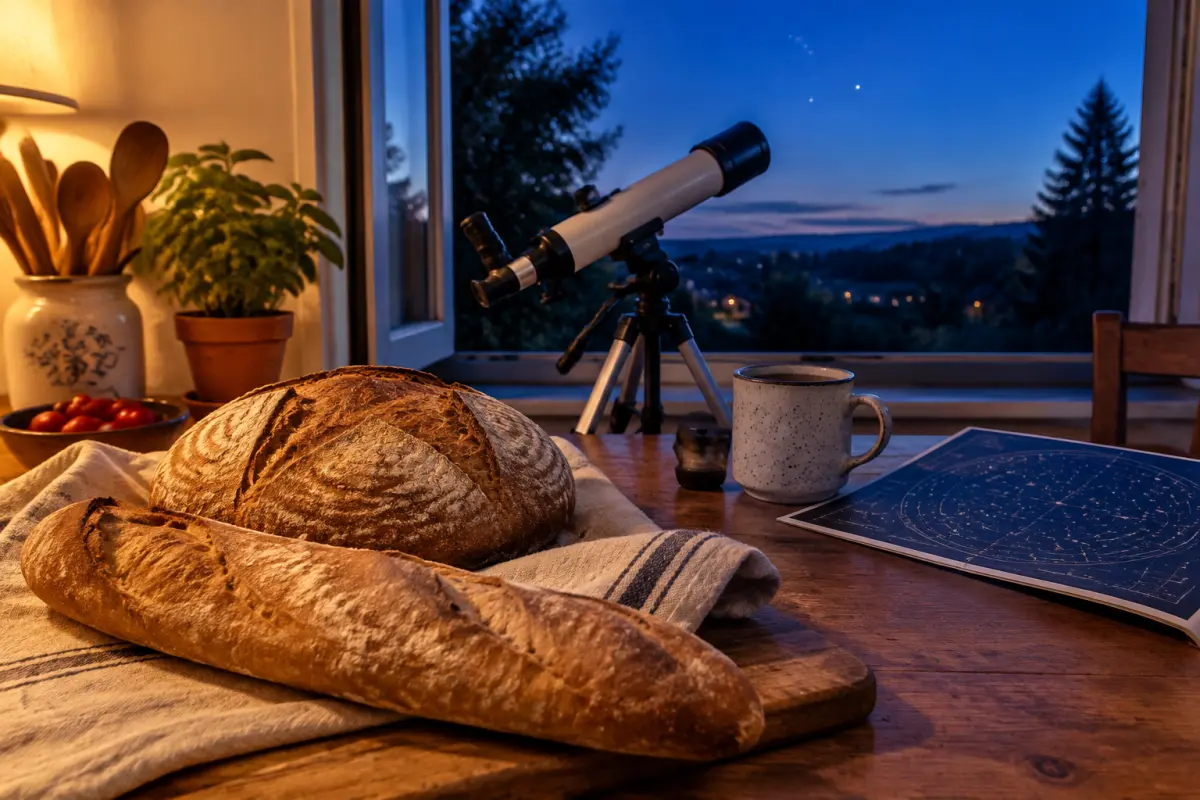
What a 70 mm telescope actually shows from a suburban garden, and why the first three nights were a disappointment that was entirely my fault.
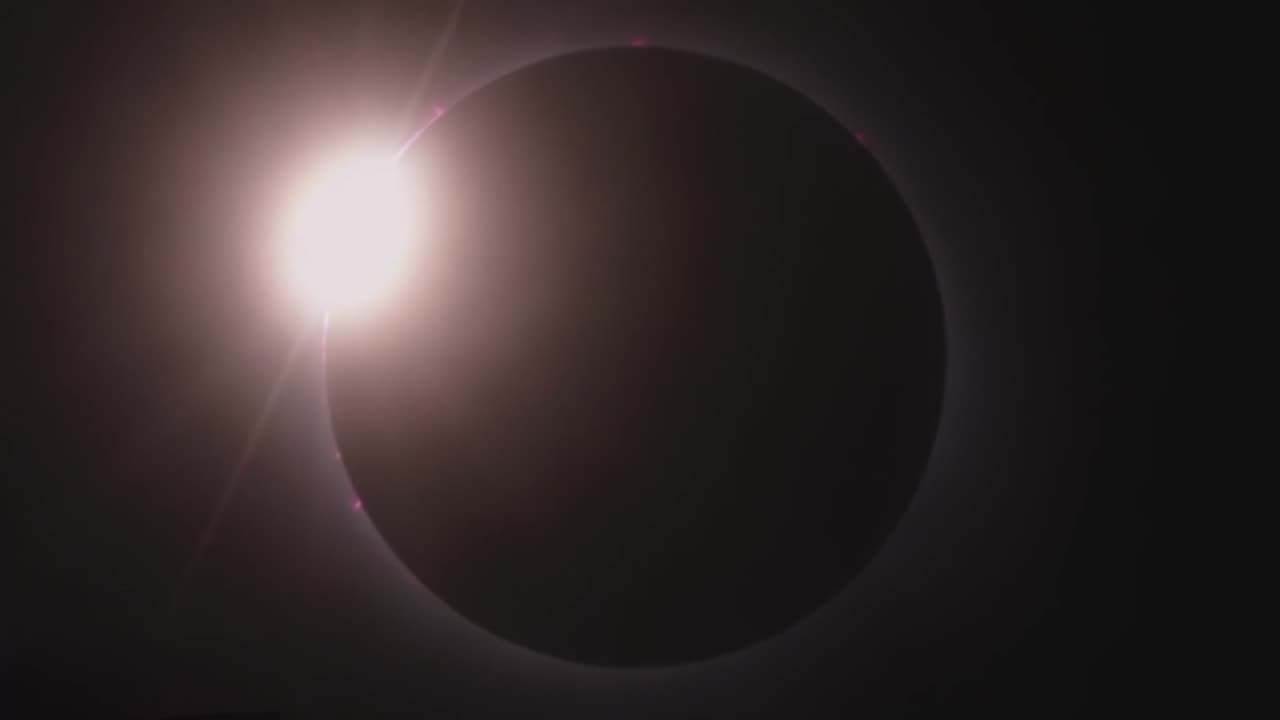
The total solar eclipse of 12 August crosses northern Spain at sunset. I have decided to drive there, with a plan, a fallback plan, and a growing list of things that could go wrong.
Jupiter at its closest and brightest for the year, high in Gemini, two good belts, a hint of something in the south, and a sketch that took forty minutes.
Three hours on the back step for the Geminid peak, two coats, one hand warmer, a frosted telescope I never meant to use, and 71 meteors despite the street lamp.
Winter nights are long and clear, and every glass surface I own fogs or frosts within forty minutes. What has actually worked, and what made it worse.
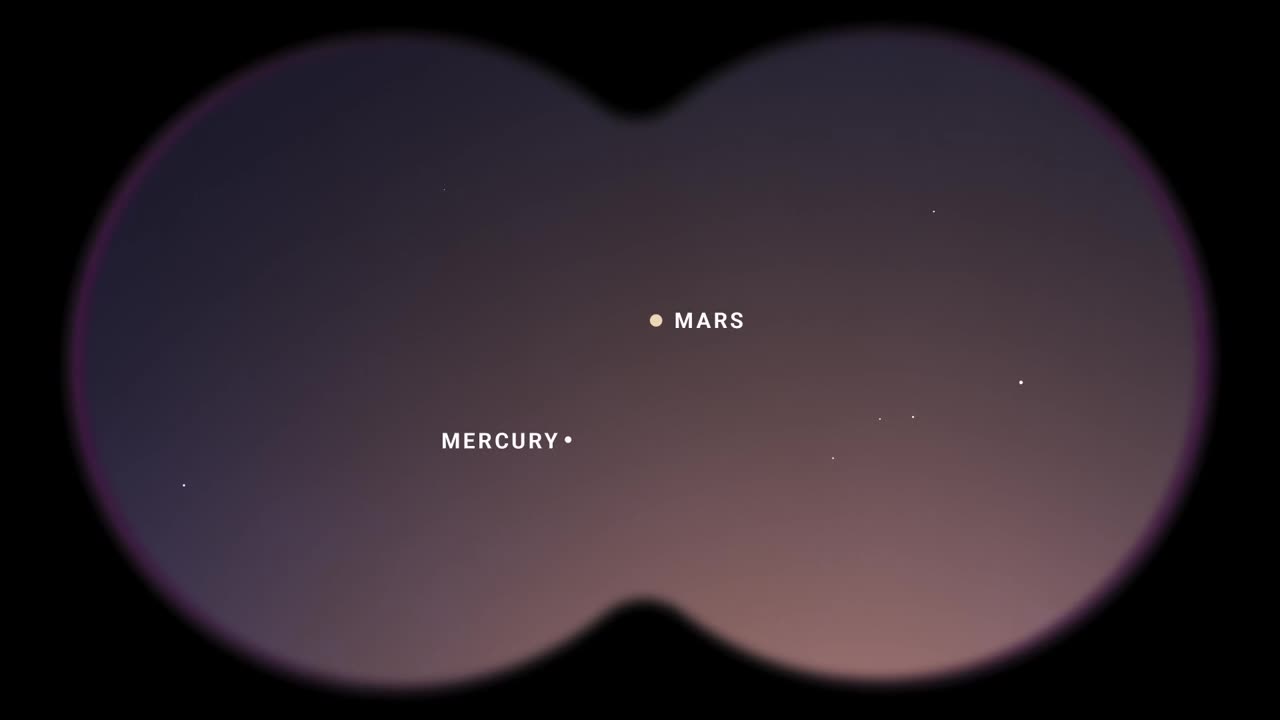
A short monthly sky guide from NASA, a big aurora night that I spent under cloud, and a purple ribbon called STEVE that turns out not to be an aurora at all.
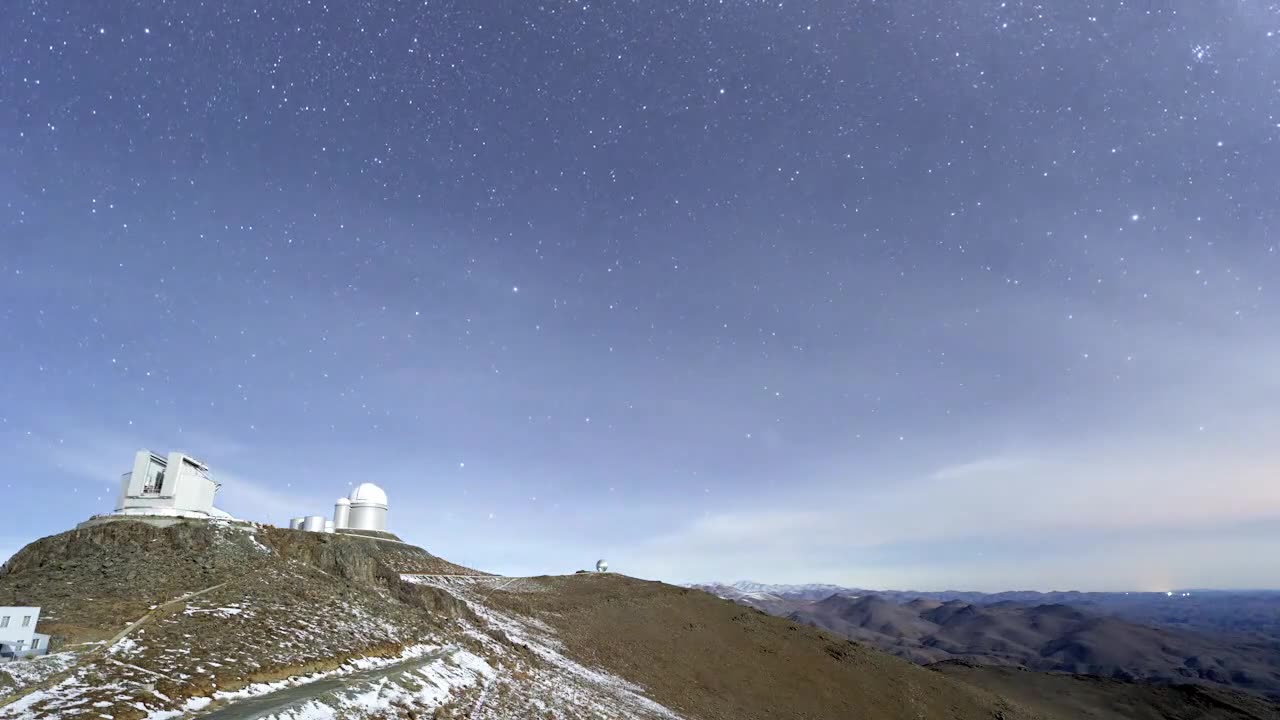
Dark by half past seven, a new four-minute habit of counting stars in the Little Dipper, and one minute of someone else's much better sky.
A total lunar eclipse that was already under way when the Moon rose, a roofline in exactly the wrong place, and about seventeen minutes of a copper smudge.
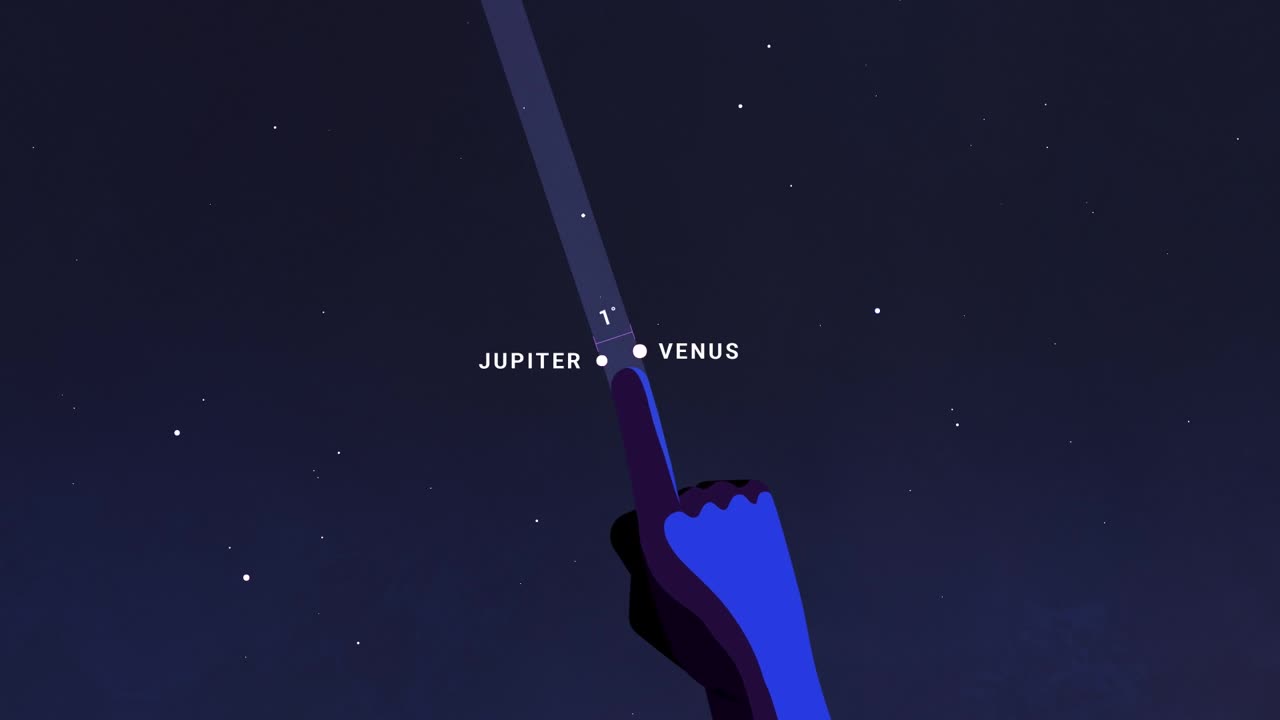
The peak night fell three days after full Moon, so a bright waning gibbous rose before the radiant got high. Seven meteors, a lot of moonlight, and two planets at dawn.
Summer nights are short and wet. Twenty minutes, a cereal box and some black tape stopped my objective lens fogging over halfway through every session.
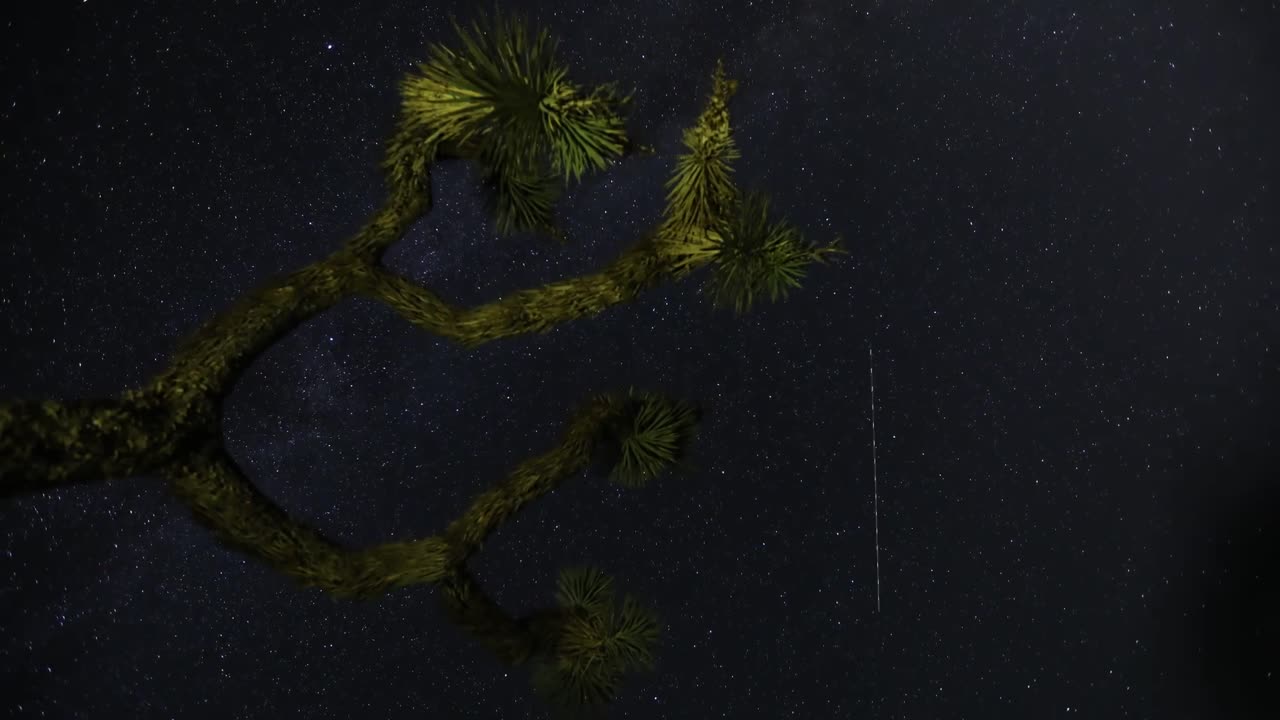
Around the solstice the sky over the back step stays a faint blue-grey all night, so I watched a few seconds of somebody else's Milky Way instead.
Ninety minutes on the terminator of a half Moon: three big craters in a chain, the lunar Apennines catching sunrise, and why I now sketch instead of just looking.
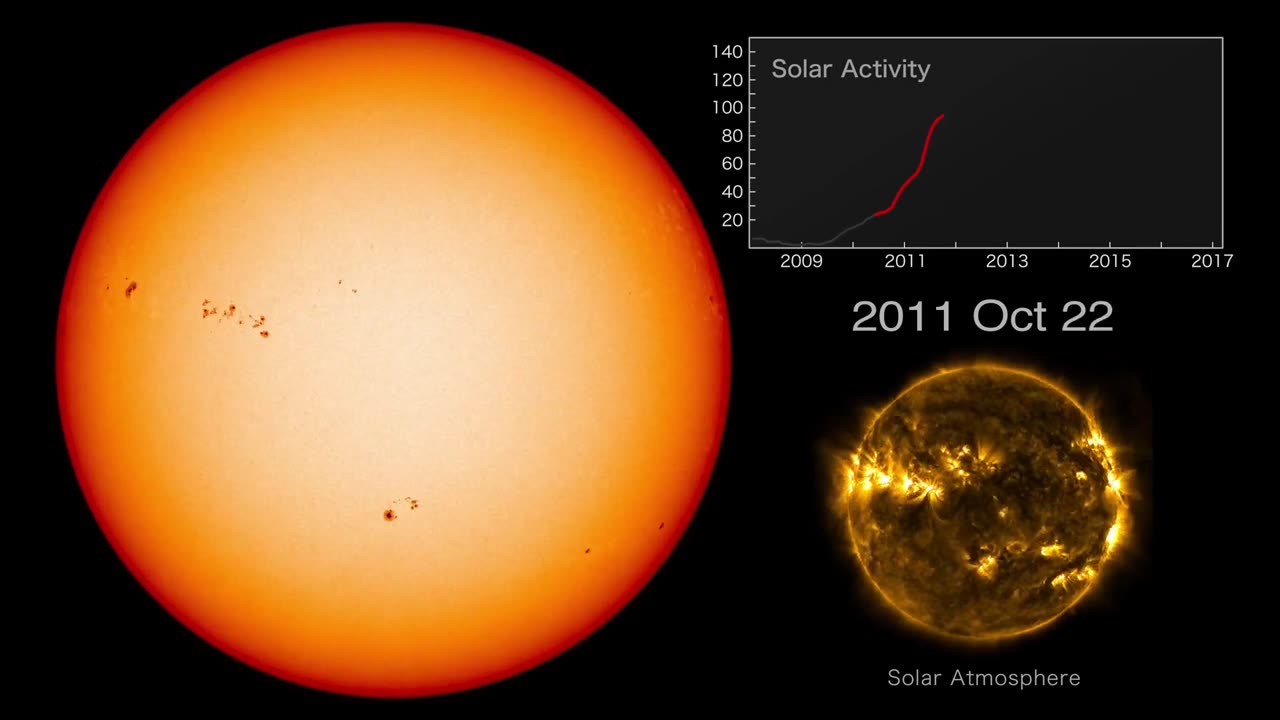
I do not own a solar filter and do not intend to point a telescope at the Sun without one, so around the equinox I watched NASA do it for me.
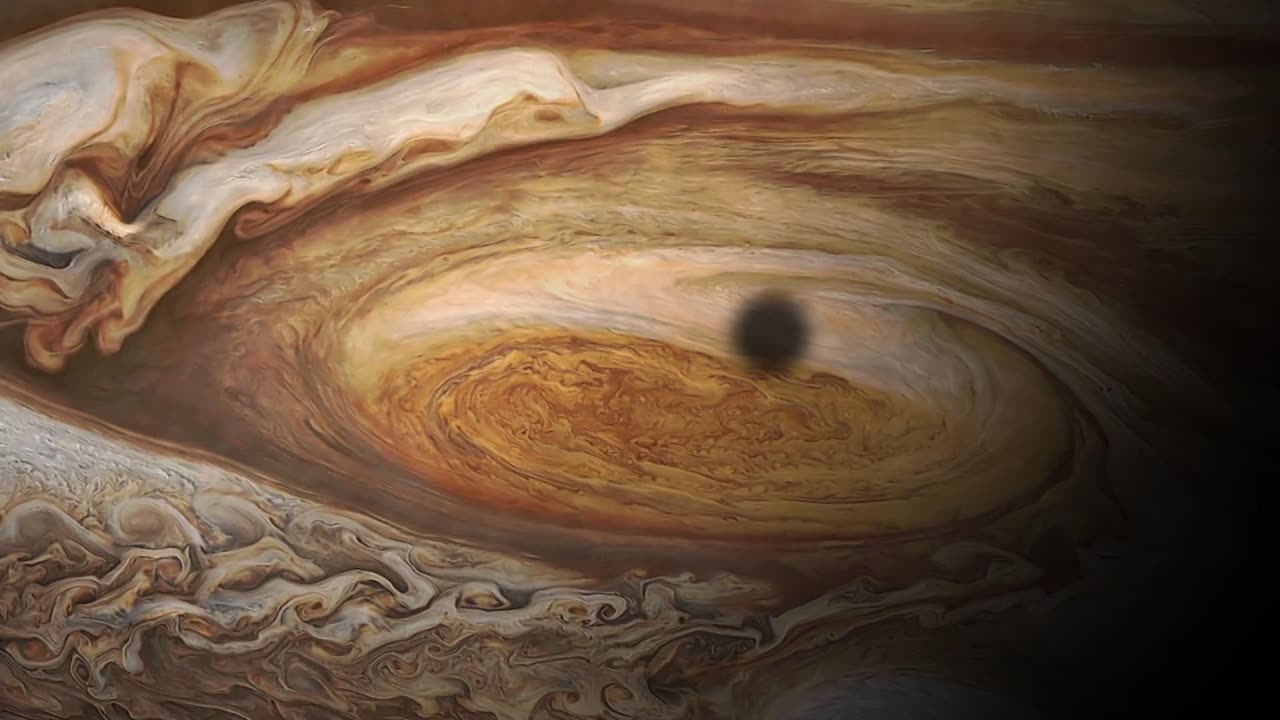
Two planets high in the January sky, Mars just past opposition, and a NASA clip that shows what my 70 mm refractor could only hint at.
An hour before dawn on the fourth of January, nine meteors, two fingers I could not feel, and a loaf that had been proving while I was outside.