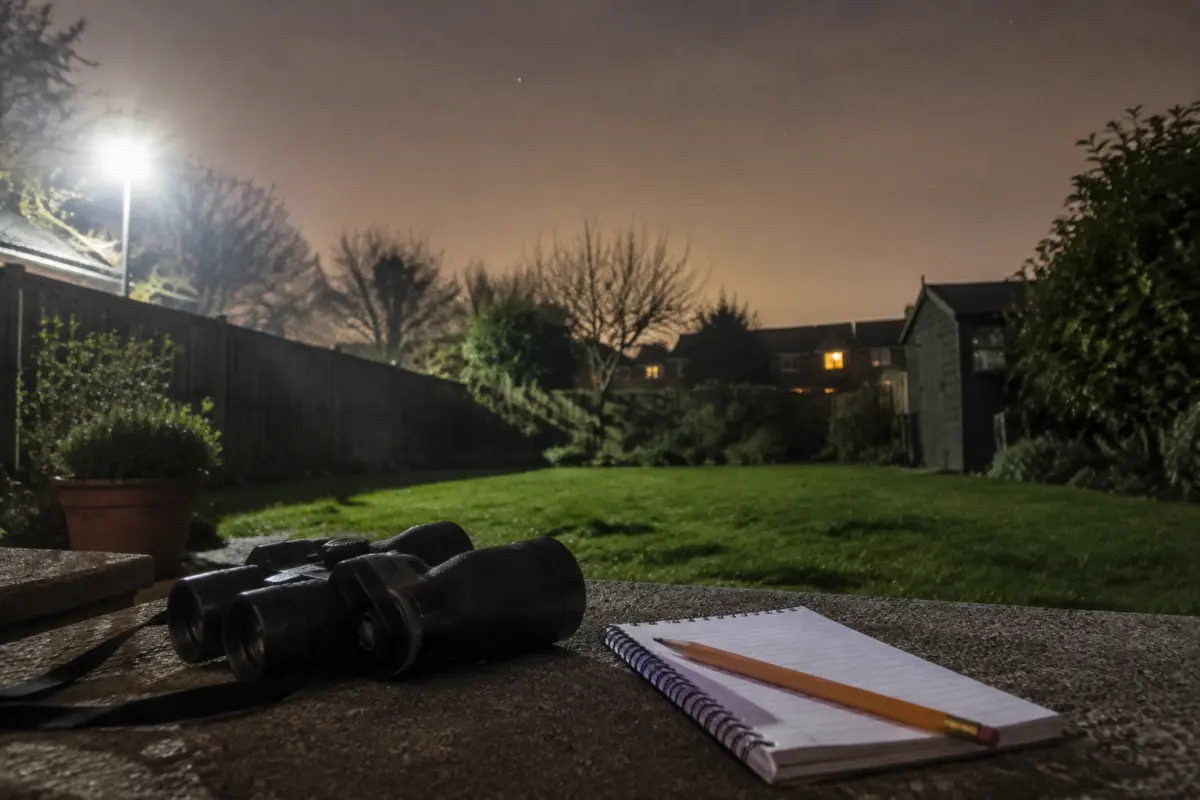
Light pollution, measured from the back step
Counting the stars I can see in one small patch of sky, once a week, for a year. The result was not what I expected.
Bread at night, stars after
12 posts. All tags
Counting the stars I can see in one small patch of sky, once a week, for a year. The result was not what I expected.
Two nights after a thin crescent Moon set early, 10x50 binoculars, a deckchair and the two autumn objects that look better in a wide field than in my telescope.
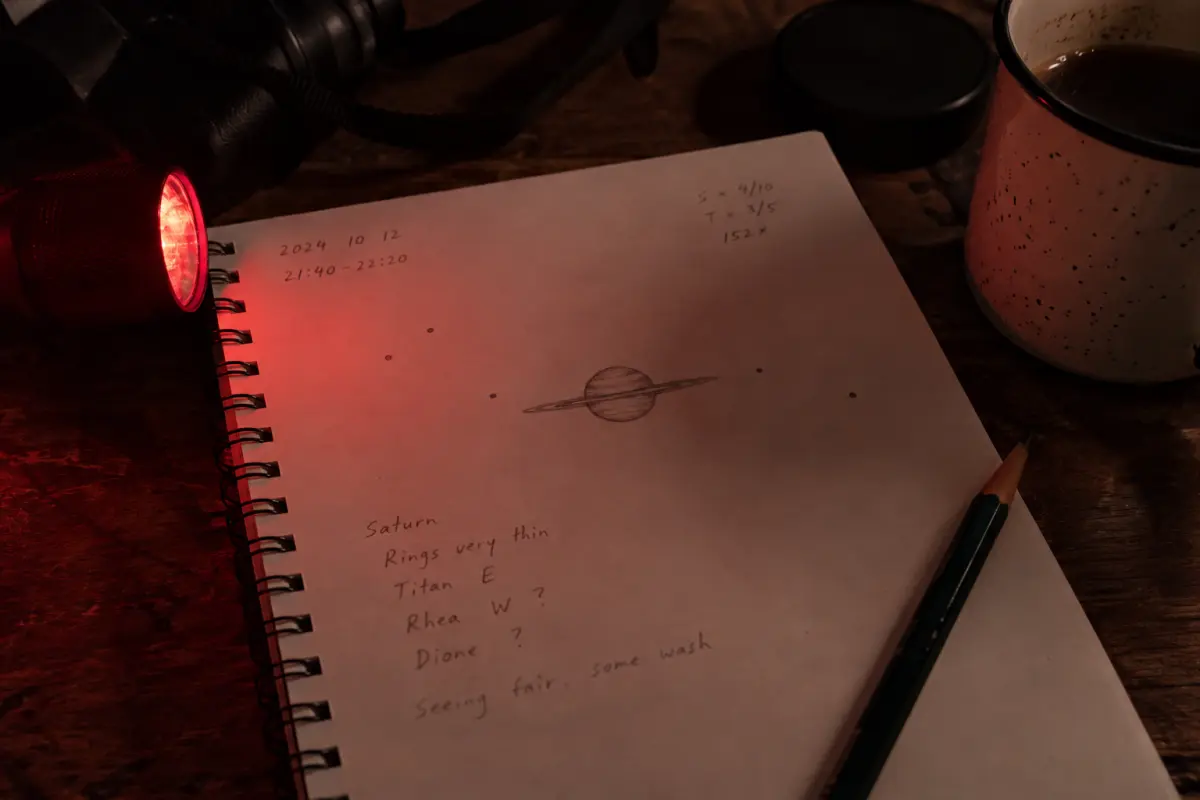
Drawing what you see instead of photographing it, and discovering you were seeing more than you thought.
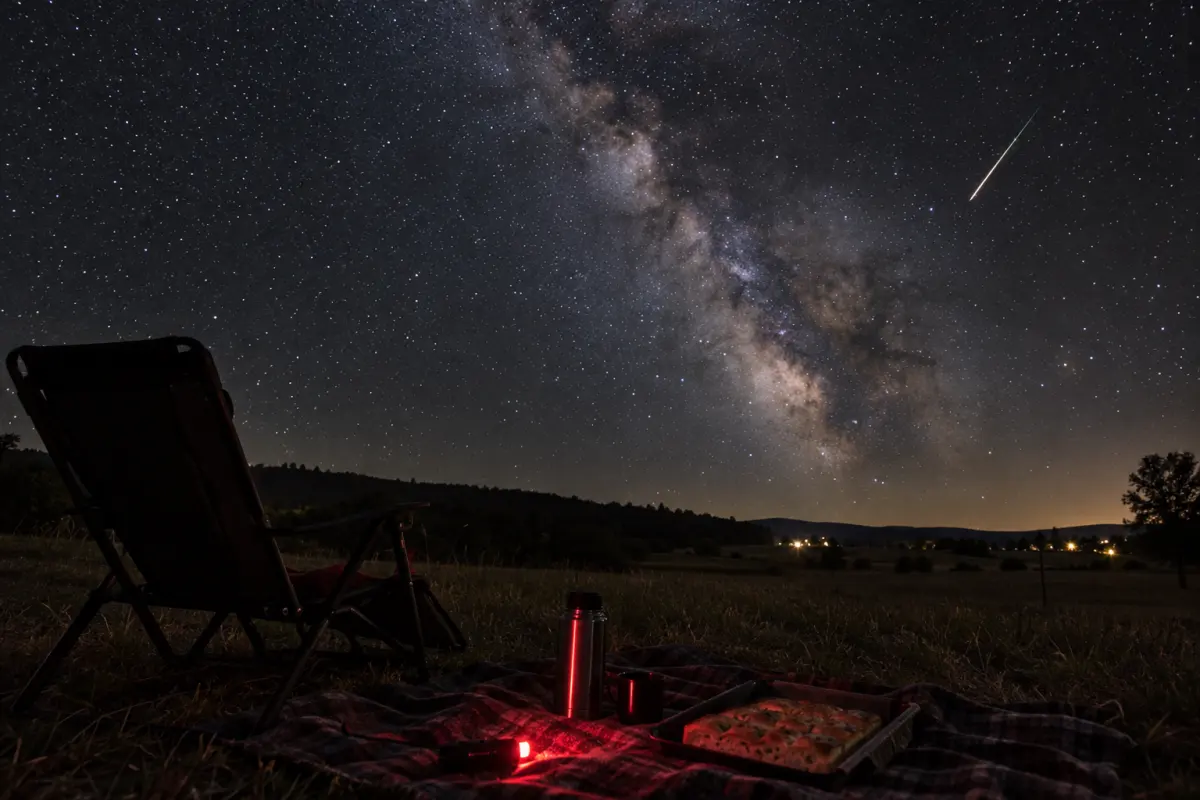
Forty minutes of driving to get two magnitudes of darkness, a thermos, a tray of focaccia and 61 meteors.
Ninety minutes in a deckchair on the Lyrid peak night, a crescent Moon that set politely, and a total of seven meteors I am prepared to defend.
Jupiter at its closest and brightest for the year, high in Gemini, two good belts, a hint of something in the south, and a sketch that took forty minutes.
Three hours on the back step for the Geminid peak, two coats, one hand warmer, a frosted telescope I never meant to use, and 71 meteors despite the street lamp.
A total lunar eclipse that was already under way when the Moon rose, a roofline in exactly the wrong place, and about seventeen minutes of a copper smudge.
The peak night fell three days after full Moon, so a bright waning gibbous rose before the radiant got high. Seven meteors, a lot of moonlight, and two planets at dawn.
Ninety minutes on the terminator of a half Moon: three big craters in a chain, the lunar Apennines catching sunrise, and why I now sketch instead of just looking.
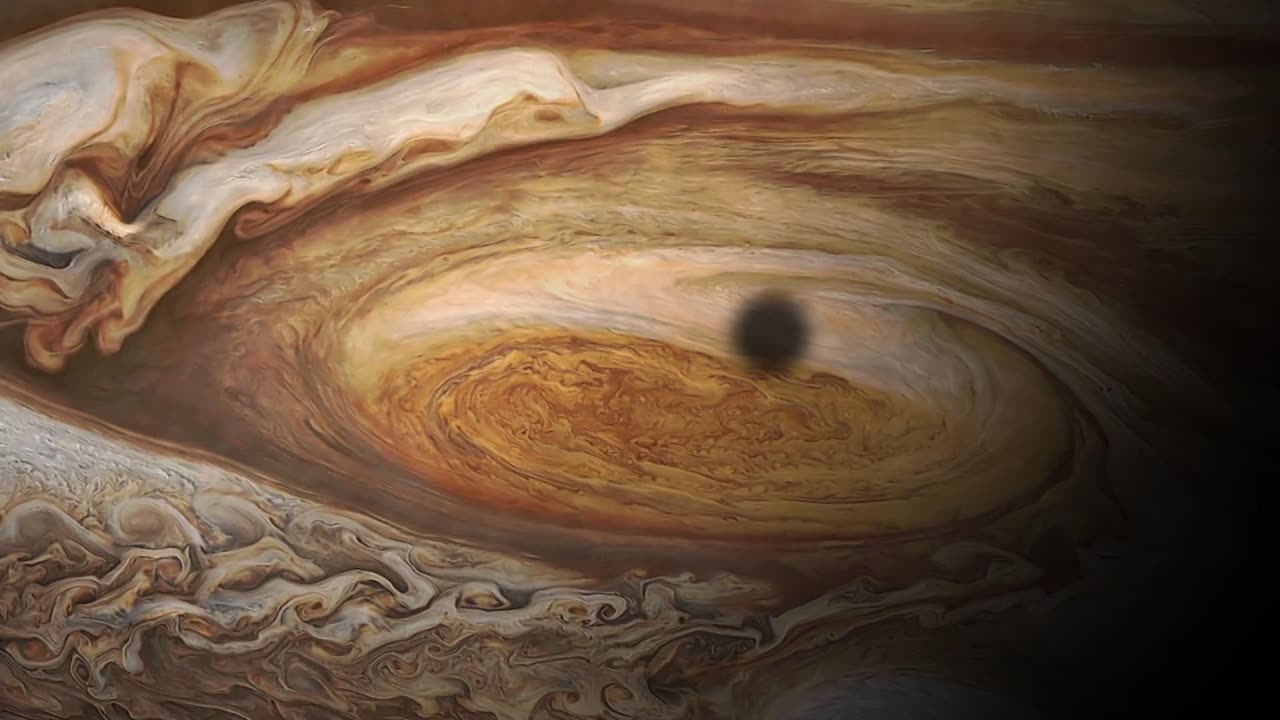
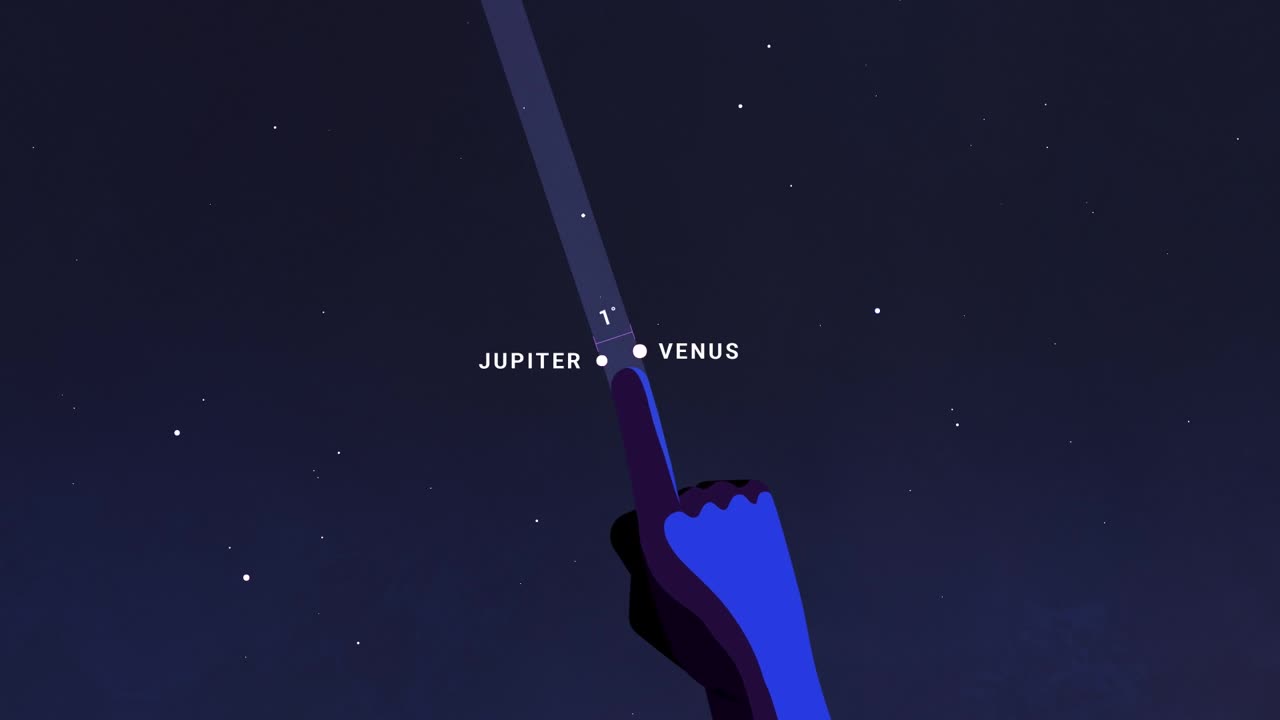
Two planets high in the January sky, Mars just past opposition, and a NASA clip that shows what my 70 mm refractor could only hint at.
An hour before dawn on the fourth of January, nine meteors, two fingers I could not feel, and a loaf that had been proving while I was outside.