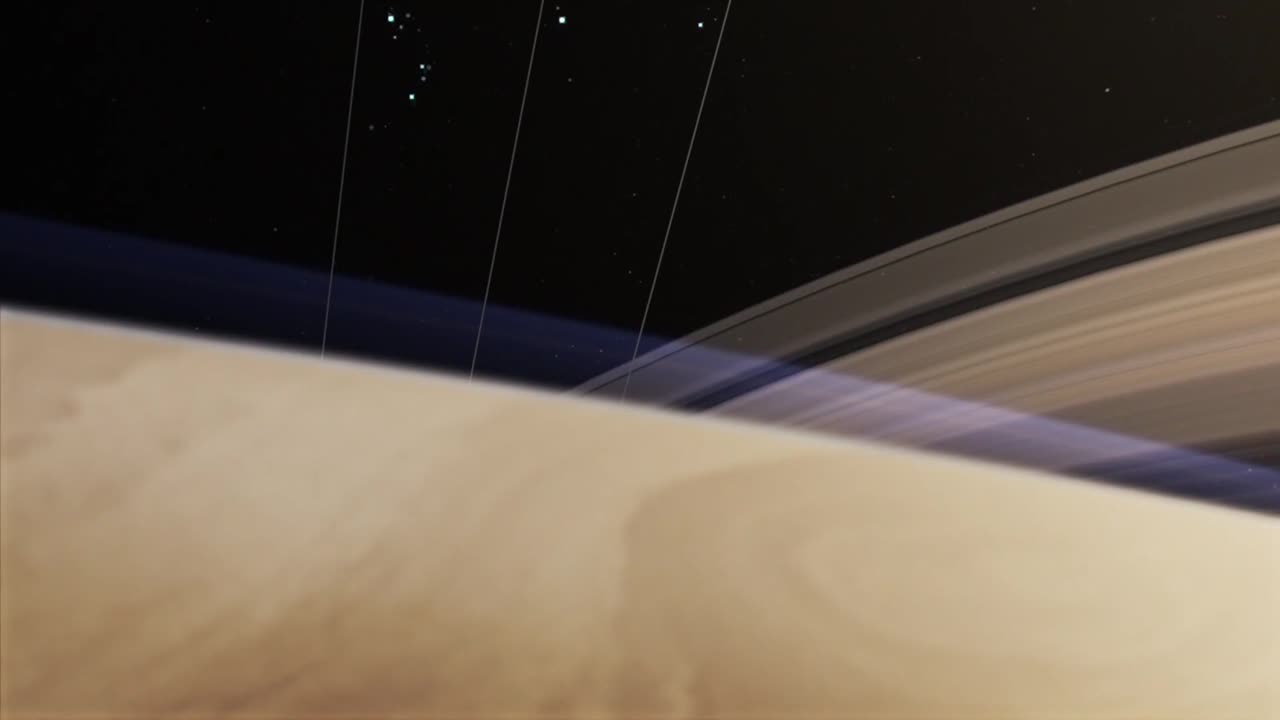
Saturn's rings are raining into Saturn
A short NASA Goddard video about ring material falling into the planet, which changed how I think about the thin grey line I have been sketching all month.
Bread at night, stars after
17 posts. All tags
A short NASA Goddard video about ring material falling into the planet, which changed how I think about the thin grey line I have been sketching all month.
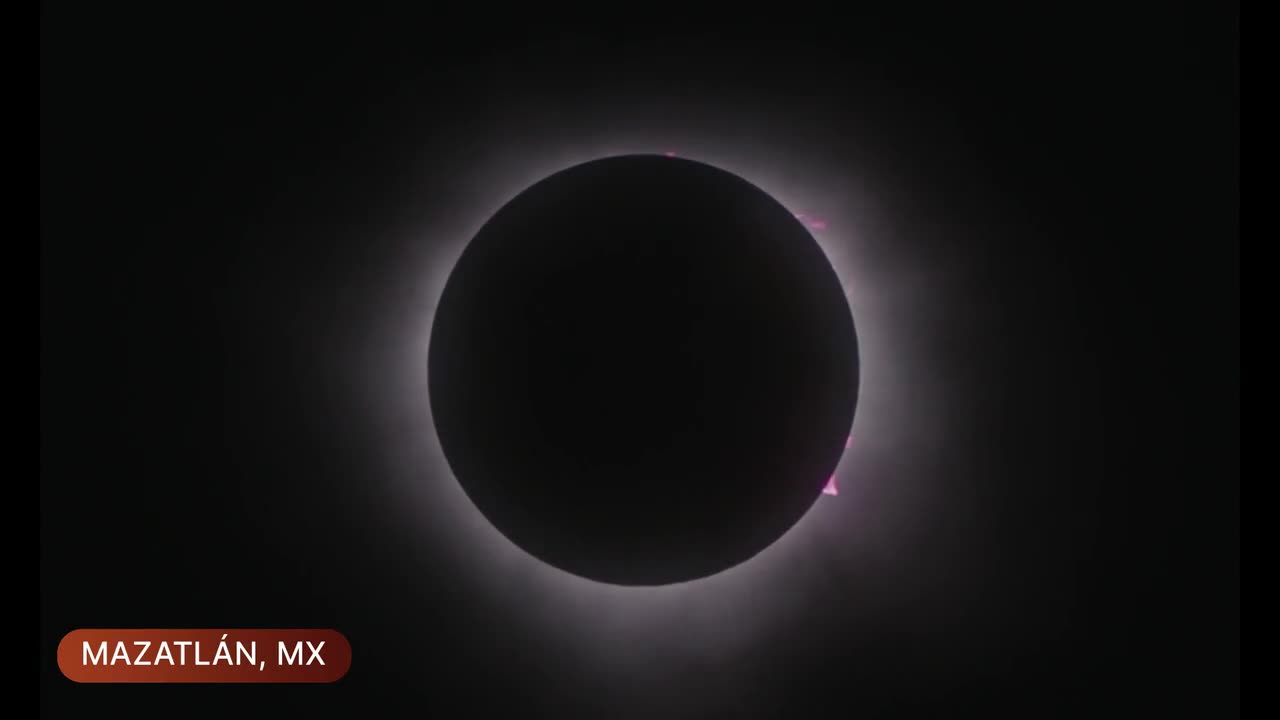
Three weeks after watching a 93% eclipse from outside the path of totality, I finally watched NASA's 2024 totality feed and understood what everyone had been telling me.
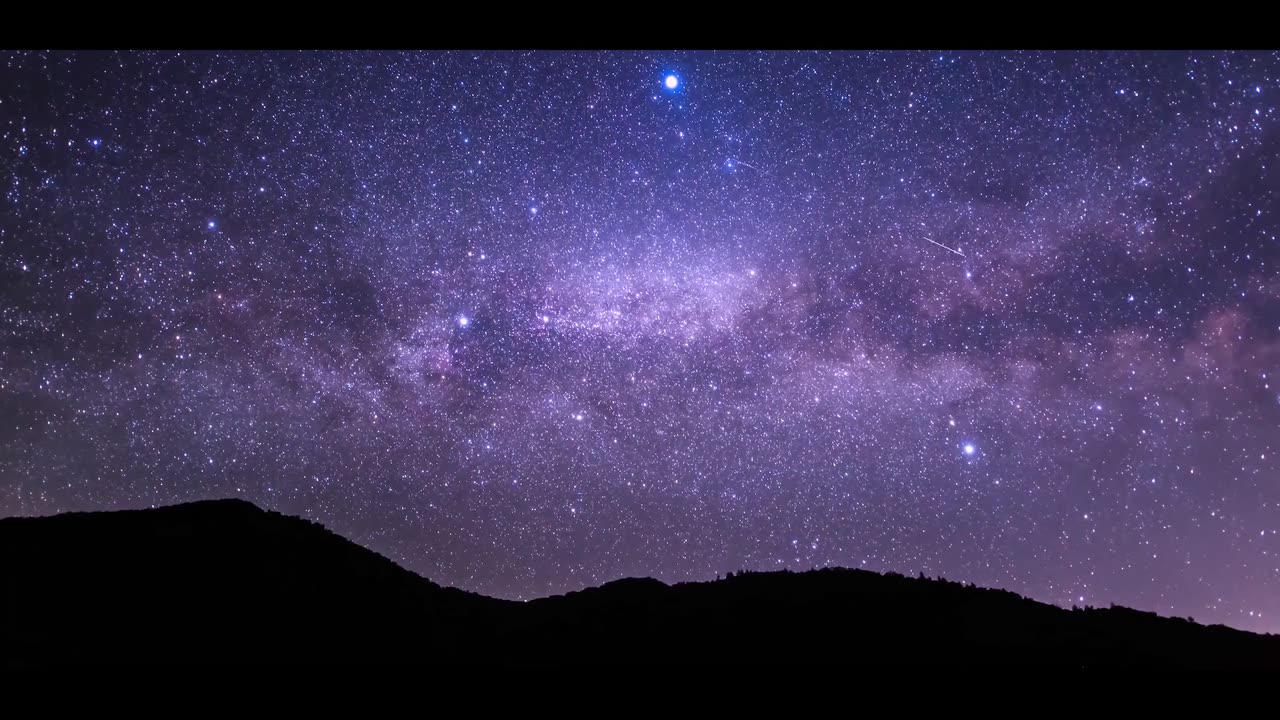
Full Moon, street lamp and a thin haze have cancelled the week, so here is a four-and-a-half-minute Milky Way time-lapse from Japan that I did not film.
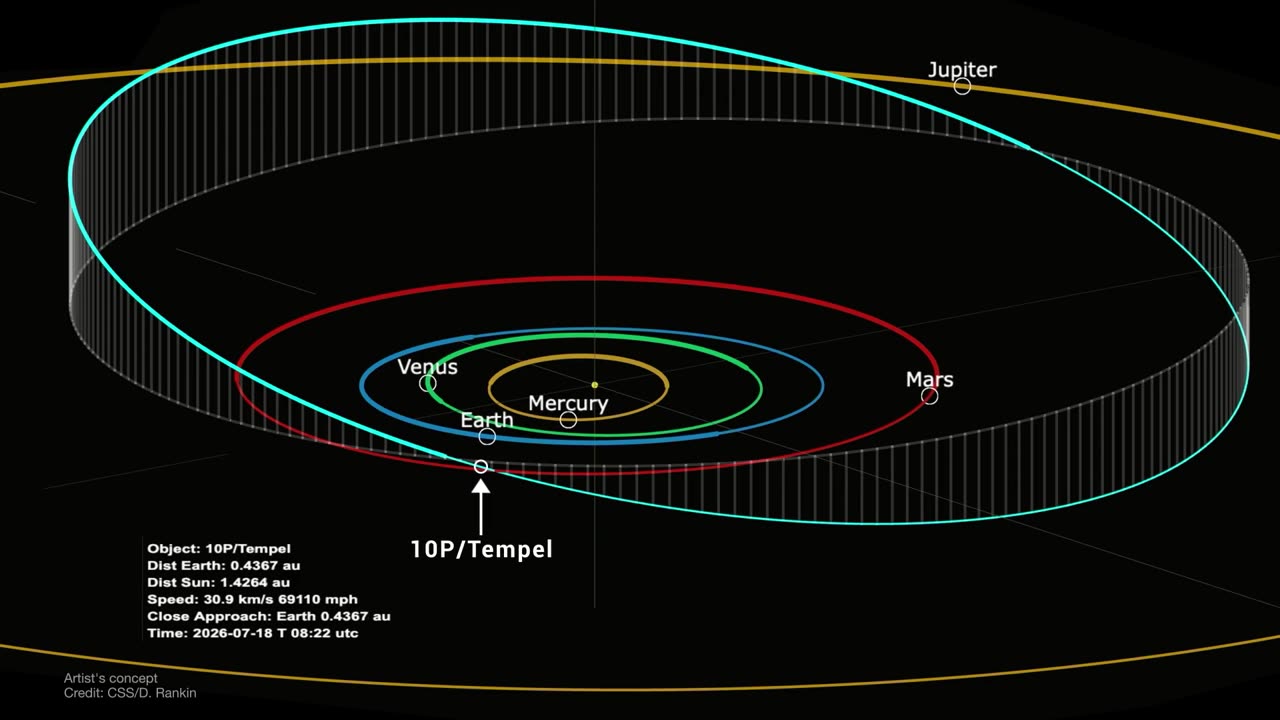
NASA's three-minute July sky guide, with my notes on which parts work from a European back garden with a street lamp and which ones need a car.
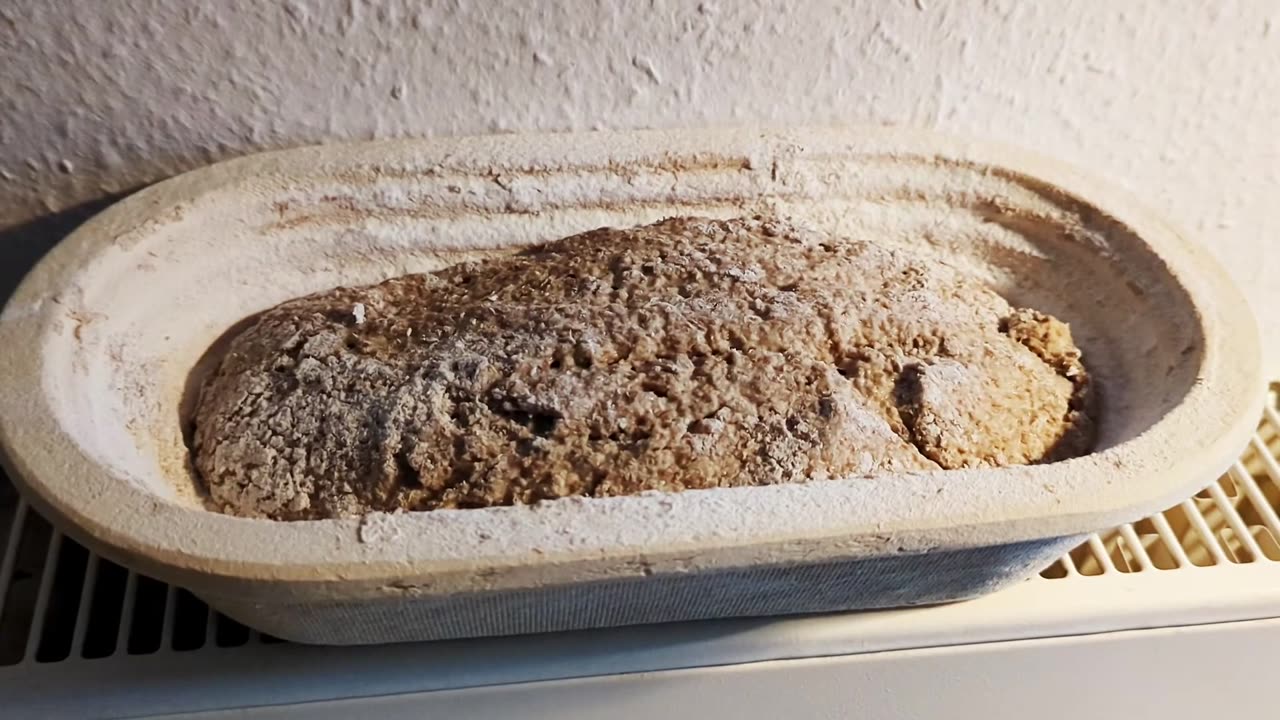
A 40% rye tin loaf for a starter that is barely three weeks old, plus a time-lapse of a rye dough doing what mine does too slowly to watch.
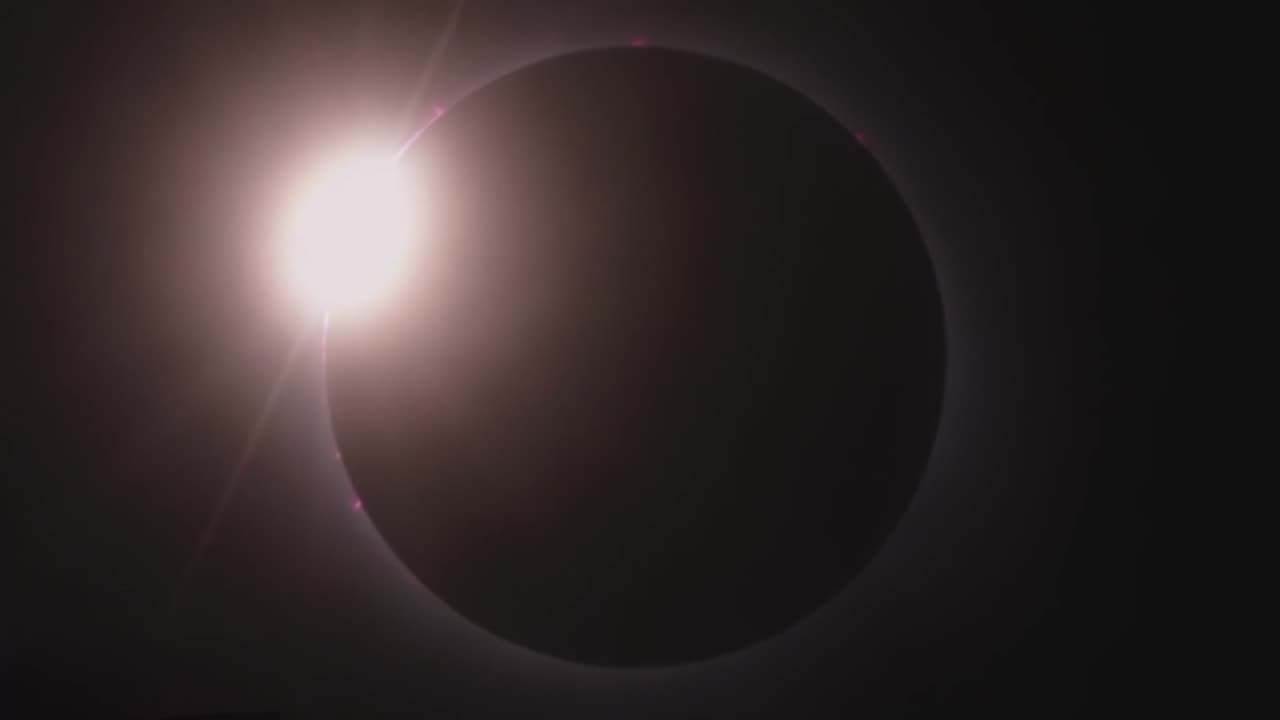
The total solar eclipse of 12 August crosses northern Spain at sunset. I have decided to drive there, with a plan, a fallback plan, and a growing list of things that could go wrong.
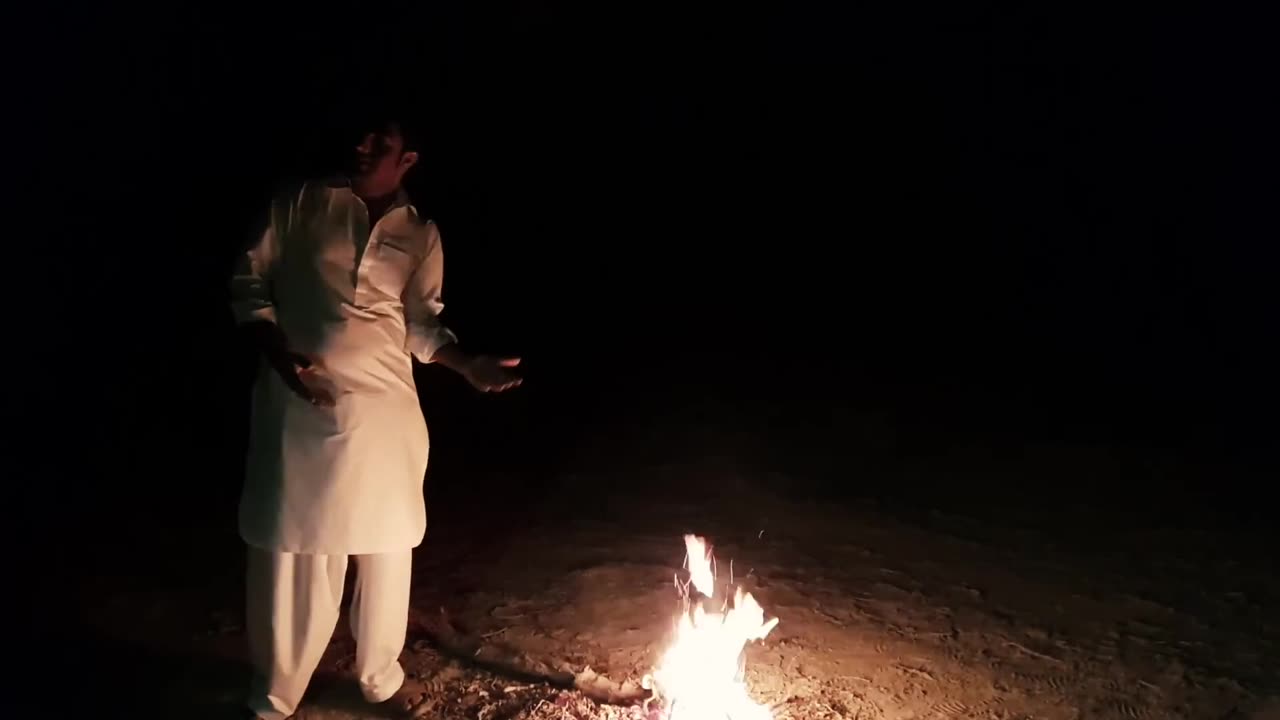
The starter I had kept going for years finally gave up in the cold kitchen. A short note on what happened, what I should have done, and some bread without any starter at all.
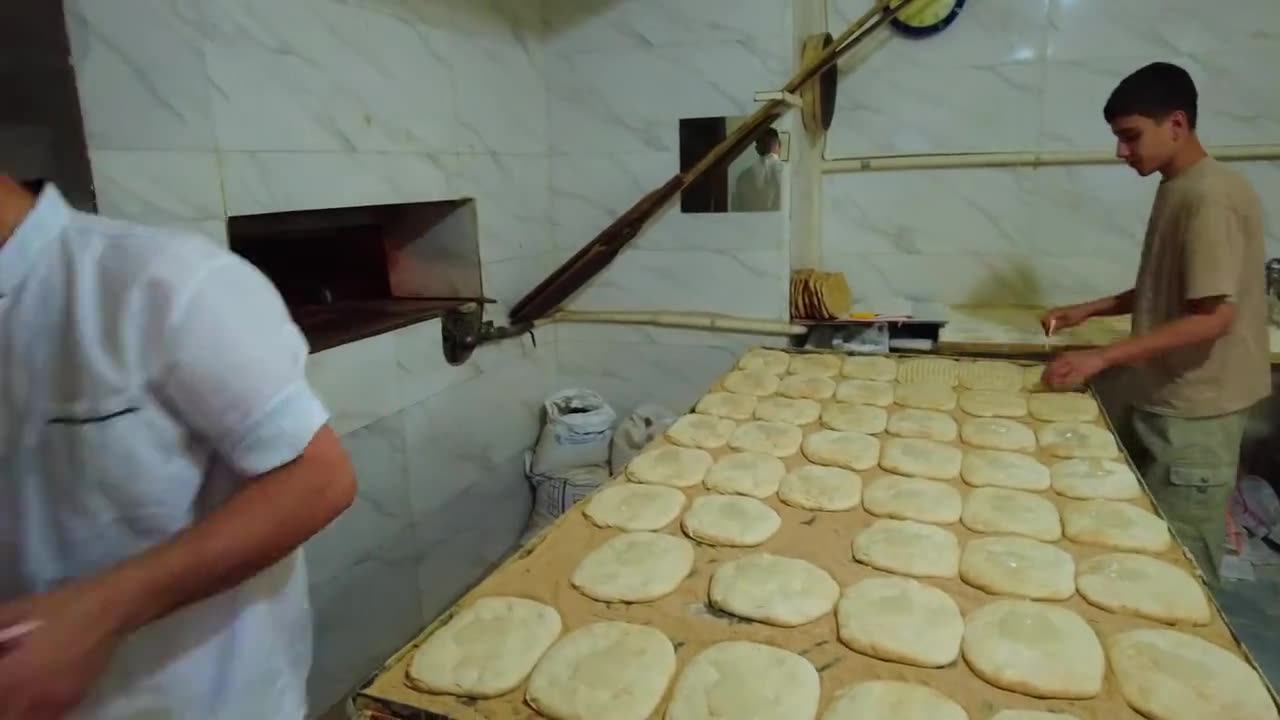
Twelve minutes inside an Iranian bakery, then my attempt at barbari in a domestic oven: same grooves, same glaze, a third of the length and a fraction of the heat.
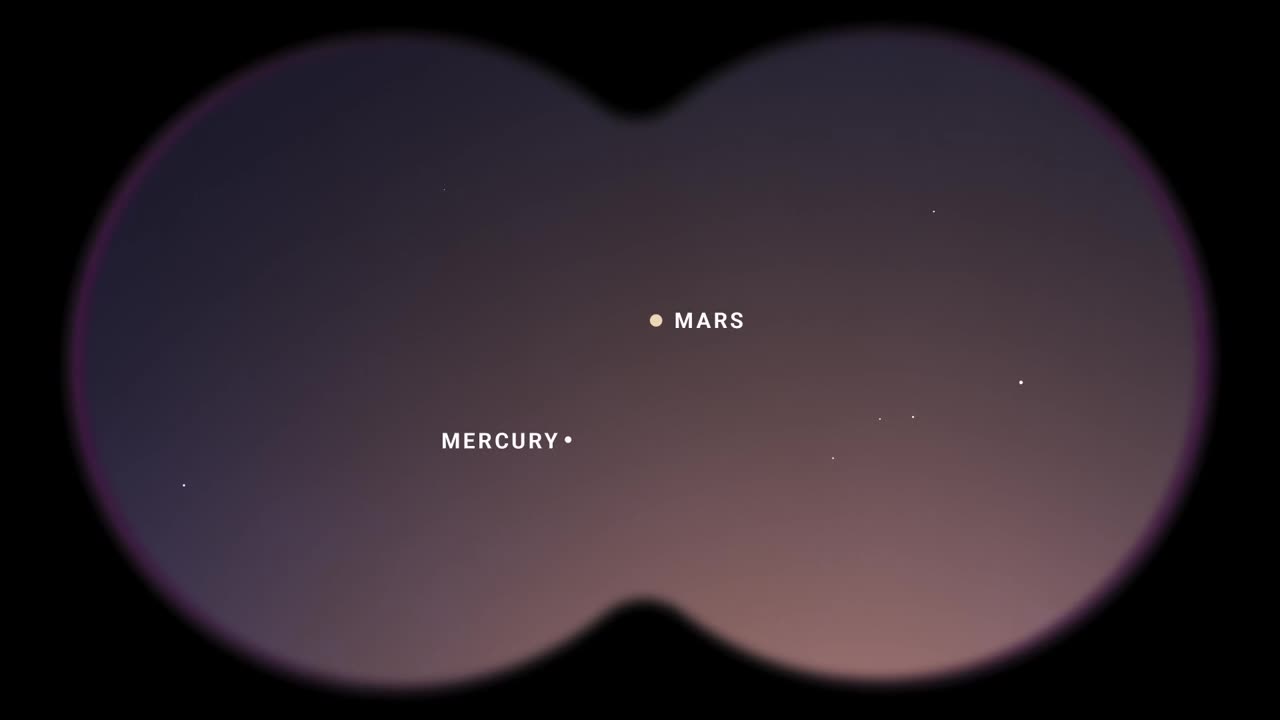
A short monthly sky guide from NASA, a big aurora night that I spent under cloud, and a purple ribbon called STEVE that turns out not to be an aurora at all.
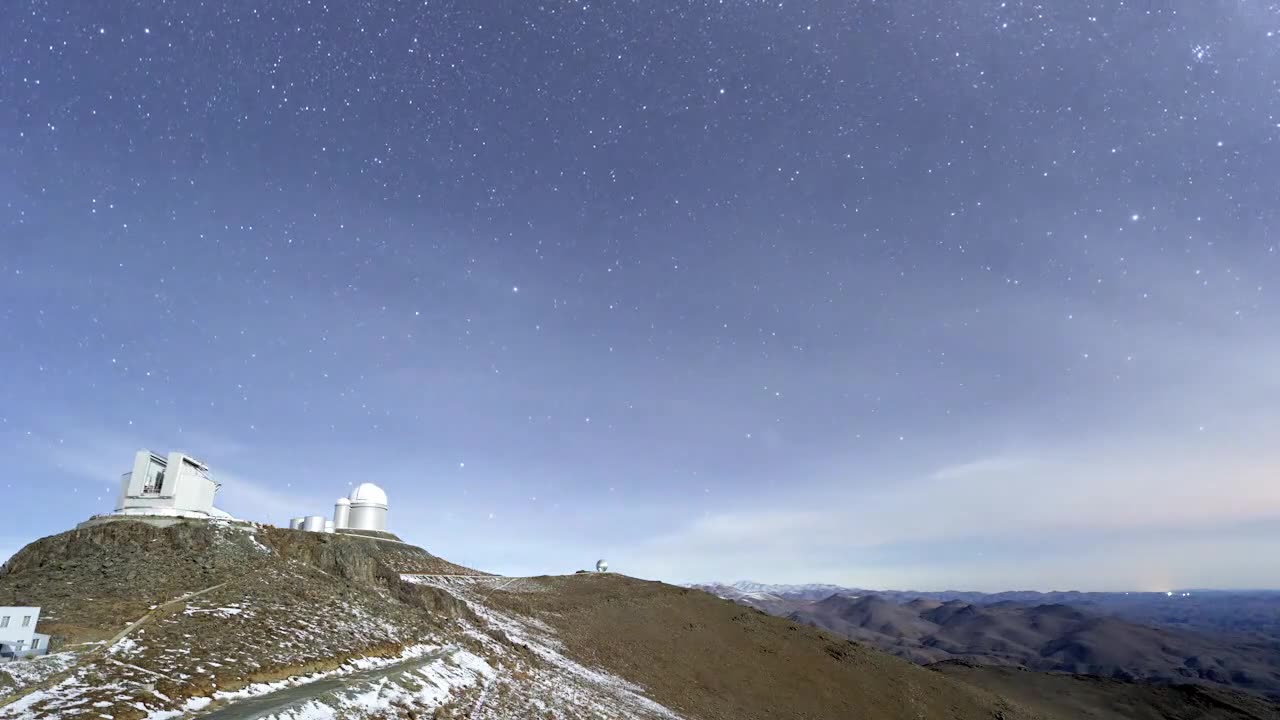
Dark by half past seven, a new four-minute habit of counting stars in the Little Dipper, and one minute of someone else's much better sky.
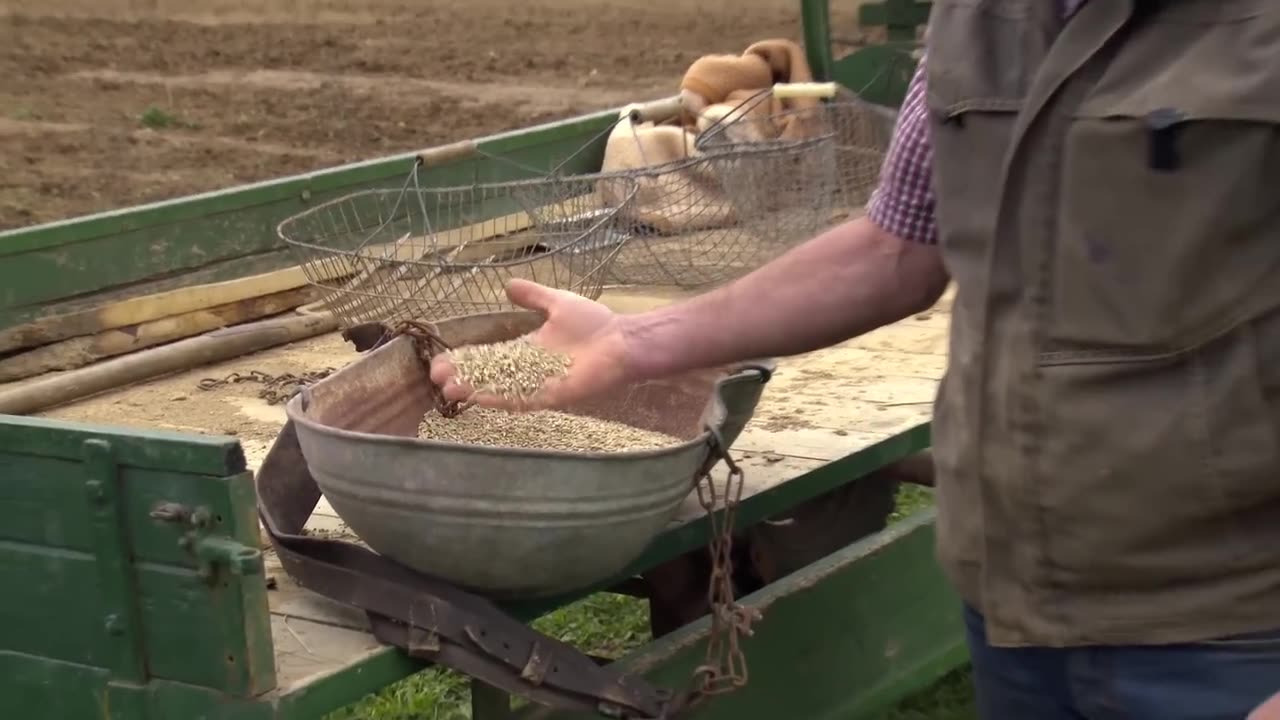
A German museum film follows winter rye from horse-drawn sowing to a wood-fired oven, and makes my bag of supermarket flour look like the end of a very long story.
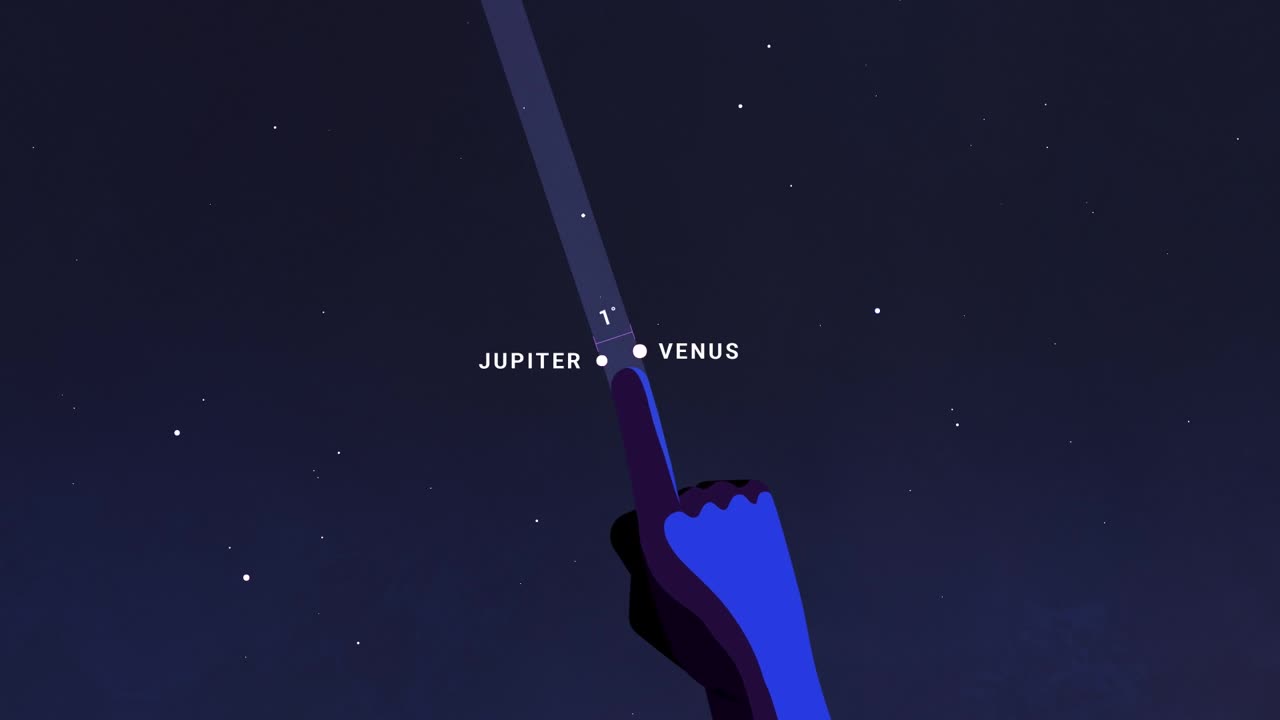
The peak night fell three days after full Moon, so a bright waning gibbous rose before the radiant got high. Seven meteors, a lot of moonlight, and two planets at dawn.
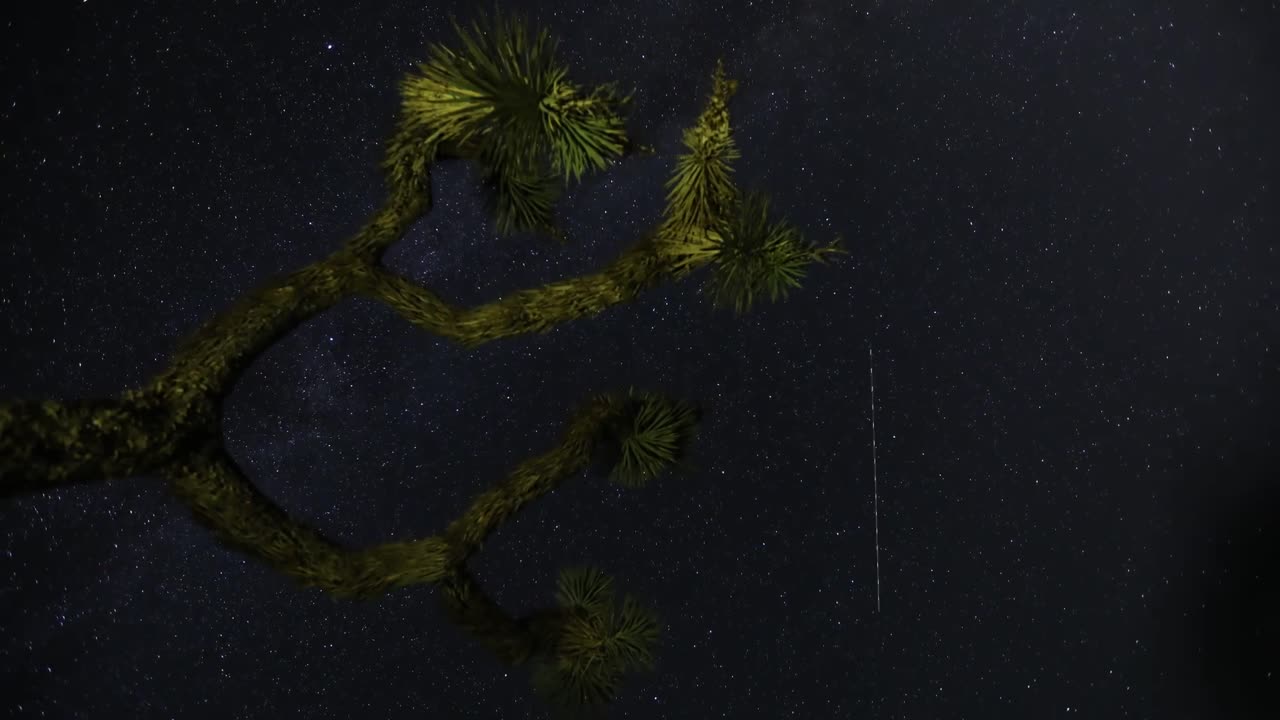
Around the solstice the sky over the back step stays a faint blue-grey all night, so I watched a few seconds of somebody else's Milky Way instead.
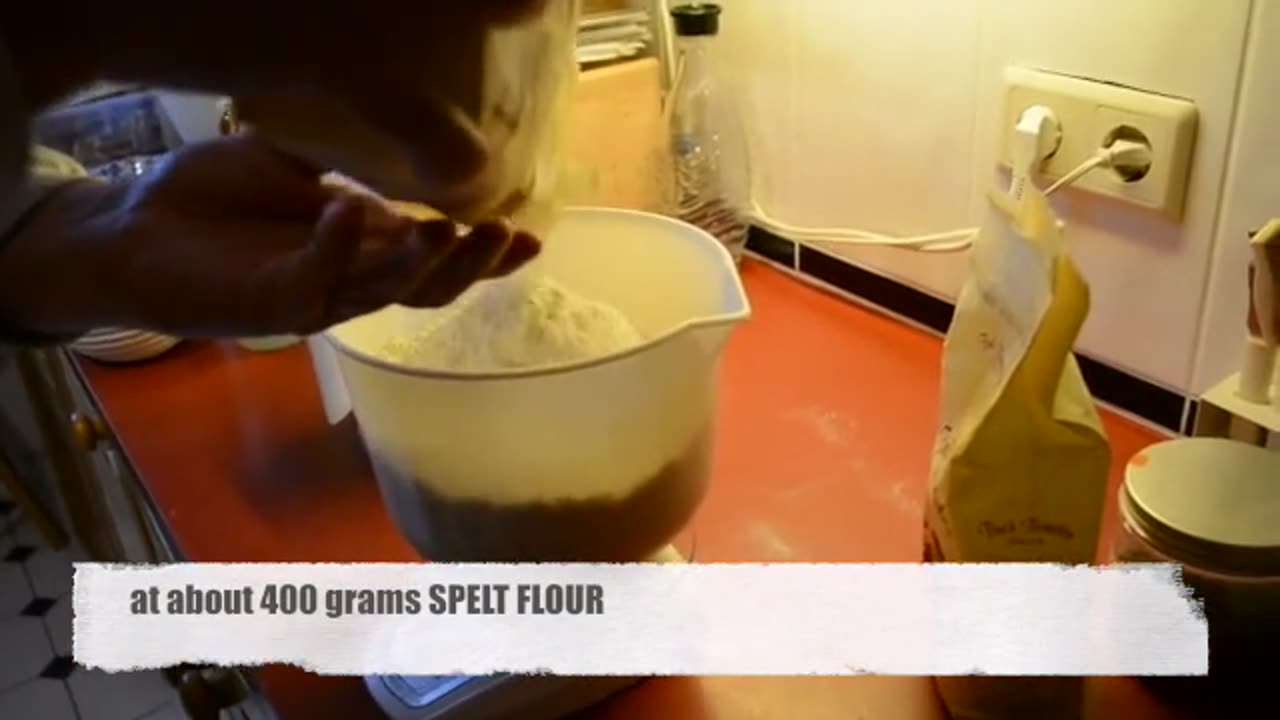
A German-style mixed rye and wheat loaf at 40% rye, worked out after watching a home-baking video filmed in a kitchen as small and untidy as mine.
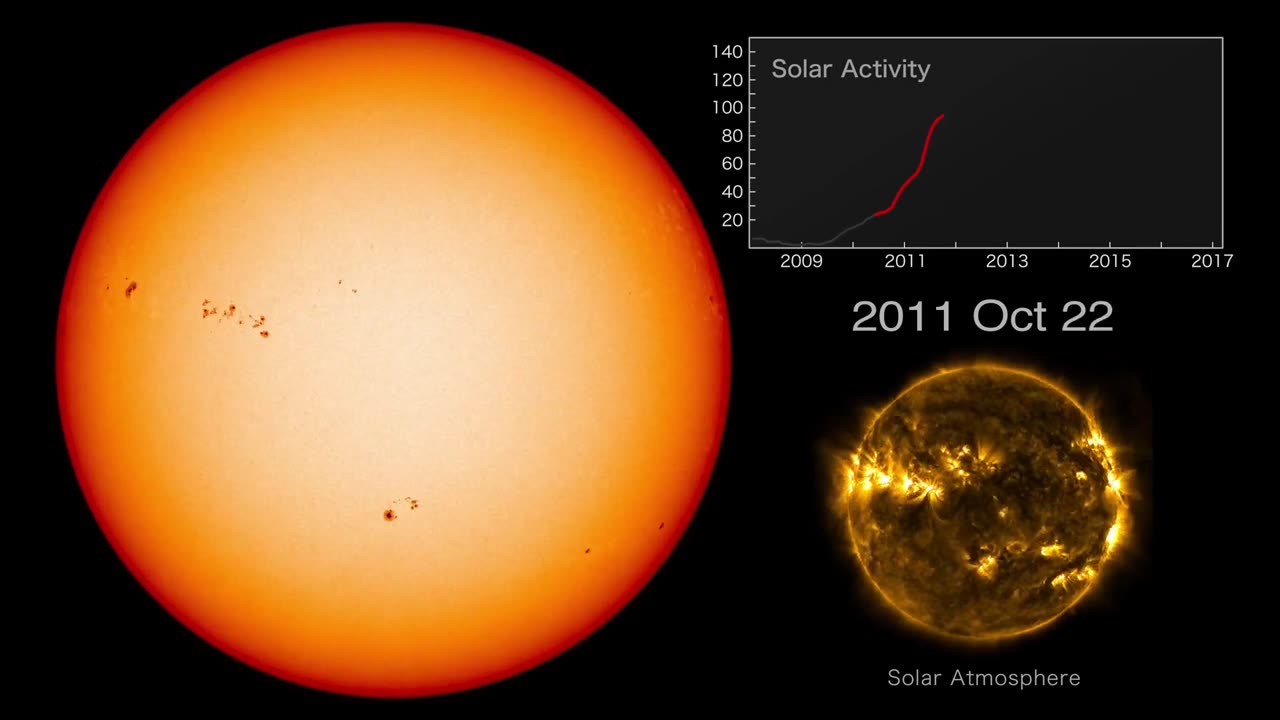
I do not own a solar filter and do not intend to point a telescope at the Sun without one, so around the equinox I watched NASA do it for me.
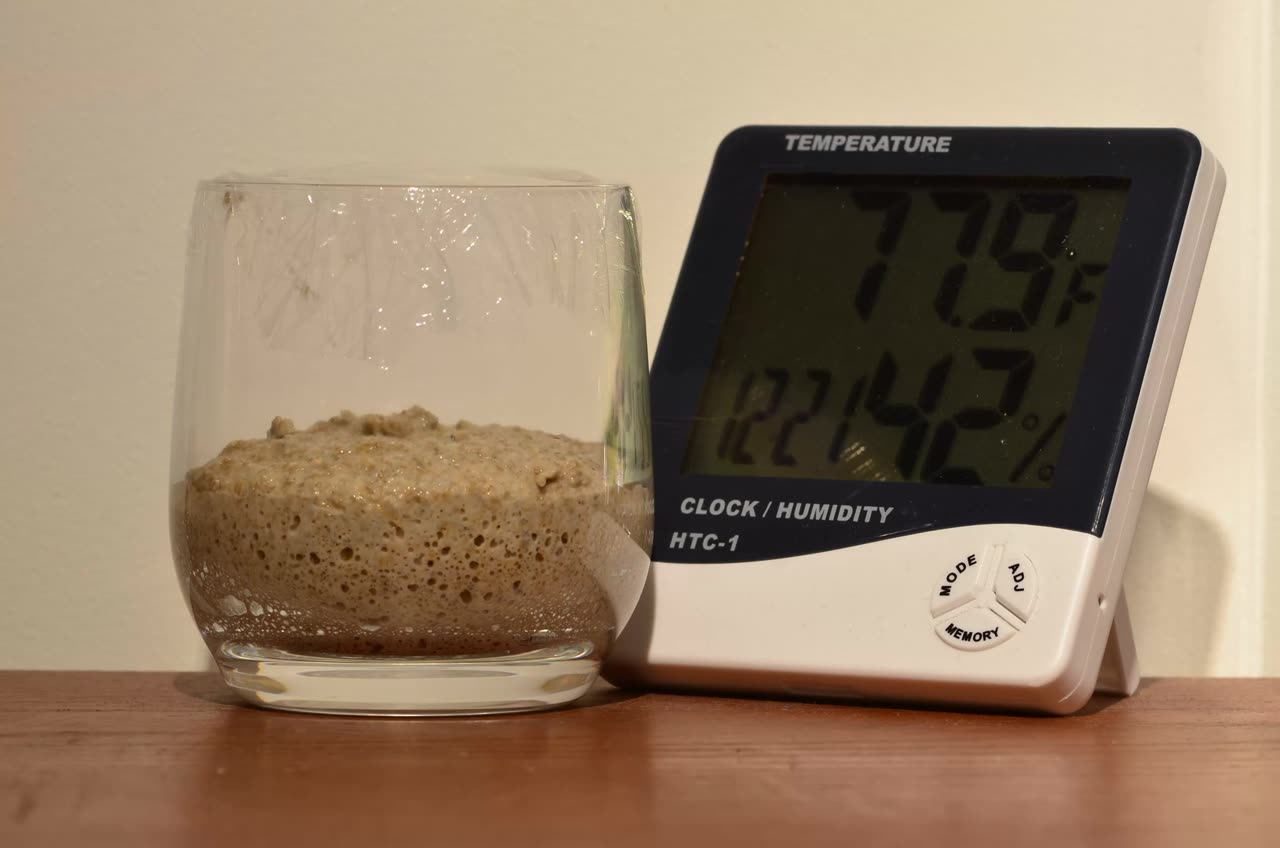
My starter is older than some of my cutlery and I have never once watched it rise. Someone on Wikimedia Commons filmed theirs for ten hours.
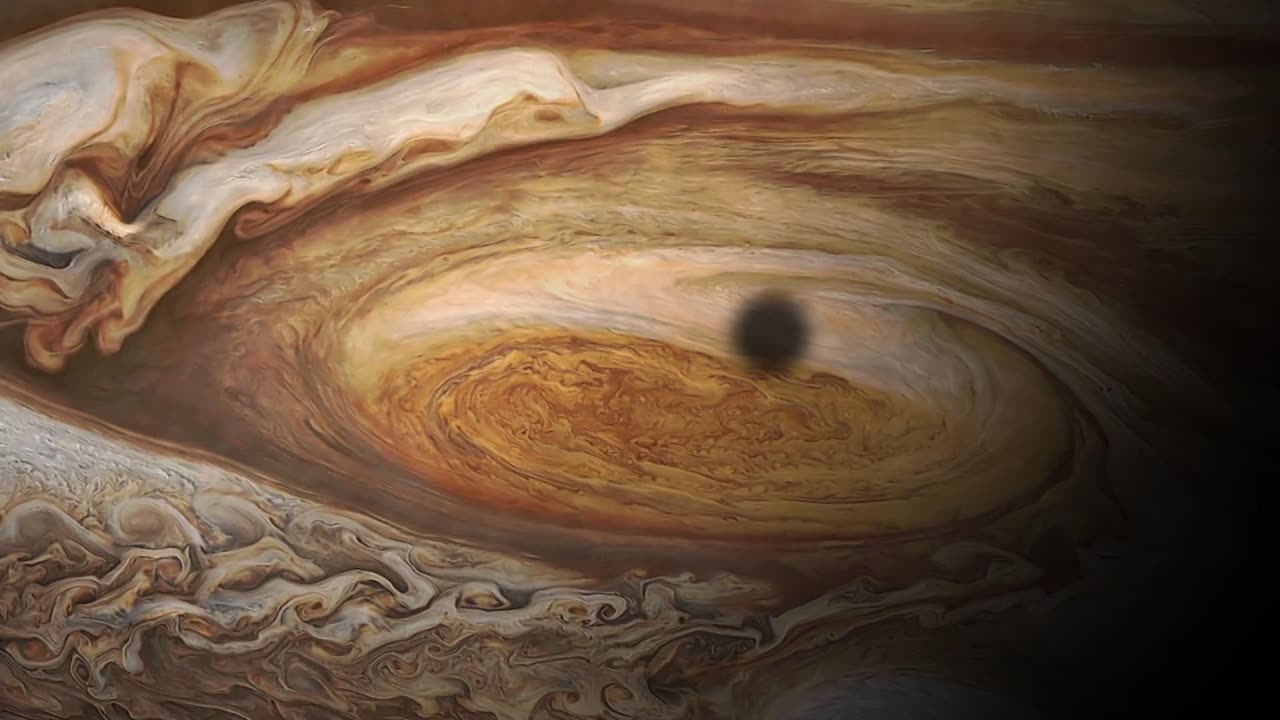
Two planets high in the January sky, Mars just past opposition, and a NASA clip that shows what my 70 mm refractor could only hint at.